

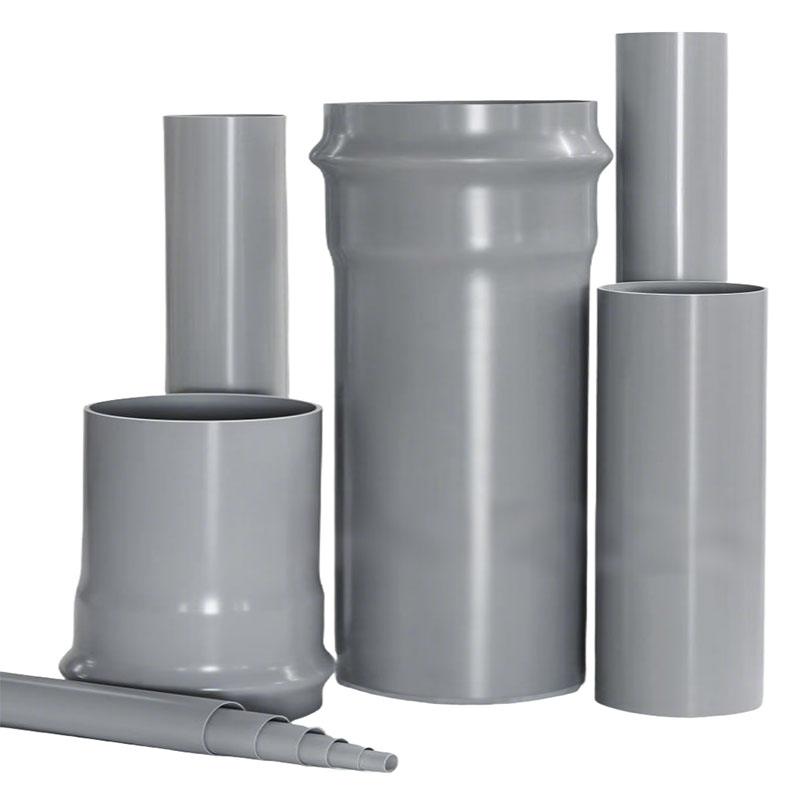

CPVC chemical pipe is a new type of engineering plastic pipe made from polyvinyl chloride (PVC) resin through chlorination modification. CPVC chemical pipes come in a variety of specifications, including different pipe diameters and wall thicknesses, to meet various engineering requirements. Common pipe diameter specifications include DN15, DN20, DN25, etc., up to DN300 and even larger. The wall thickness also varies according to the pipe diameter and pressure rating.
| Quantity: | |
|---|---|


CPVC Industrial Pipe is a cutting-edge engineering plastic pipe crafted from chlorination-modified polyvinyl chloride (PVC) resin. Renowned for its exceptional performance in demanding industrial environments, this CPVC pipe combines superior high-temperature resistance, pressure resistance, and corrosion resistance to deliver reliable fluid conveyance solutions. Available in a comprehensive range of specifications, the CPVC Industrial Pipe caters to diverse engineering needs across multiple industries, offering smooth fluid flow, easy installation, and extended service life. Whether for chemical processing, water treatment, power generation, or industrial cooling, this versatile pipe stands as a top choice for engineers and project managers seeking durability, efficiency, and long-term value.
| Parameter | Numerical value |
| Density | 1.45–1.55g/cm³ |
| Tensile strength | 50–70MPa |
| Elongation at break | 10%–25% |
| Bending strength | 85–110MPa |
| Melting point | 230°C–250°C |
| Heat distortion temperature | 100°C–110°C |
A defining advantage of CPVC Industrial Pipe is its outstanding high-temperature resistance. Engineered to withstand continuous operation in elevated temperature environments, it maintains structural integrity and stable performance even when exposed to sustained heat. This capability outperforms standard PVC pipes, making it ideal for applications where fluids or gases are transported at above-average temperatures, such as industrial heating systems and chemical processing.
Built with exceptional strength and rigidity, CPVC Industrial Pipe excels in withstanding high internal pressure. Its robust construction ensures that it remains stable, leak-free, and structurally sound even under demanding working pressure conditions. This pressure resistance eliminates the risk of pipe failure, ensuring safe and reliable operation in high-pressure industrial systems.
CPVC Industrial Pipe boasts enhanced chemical stability compared to ordinary PVC pipes. It exhibits exceptional resistance to a wide range of corrosive substances, including acids, alkalis, salts, and various industrial chemicals. This corrosion resistance protects the pipe from degradation, deterioration, and premature failure, ensuring long-term performance in harsh chemical environments.
The inner surface of CPVC Industrial Pipe is precision-engineered to be extremely smooth, minimizing frictional resistance to fluid flow. This smooth surface promotes efficient fluid conveyance, reducing energy consumption associated with pumping and improving overall system efficiency. Whether transporting liquids, gases, or slurries, the pipe ensures consistent flow rates and optimal performance.
CPVC Industrial Pipe offers flexible installation options to suit different project requirements and site conditions. It can be securely installed using bonding or threaded connection methods, providing versatility for various industrial scenarios. These installation techniques are straightforward, efficient, and cost-effective, reducing installation time and labor costs while ensuring leak-proof joints.
Thanks to its superior material properties—including high-temperature resistance, corrosion resistance, and anti-aging capabilities—CPVC Industrial Pipe boasts an extended service life. It resists degradation from environmental factors, chemical exposure, and normal wear and tear, reducing the need for frequent replacements and lowering long-term project costs.
The durable and resilient nature of CPVC Industrial Pipe translates to minimal maintenance needs. Its resistance to corrosion, scaling, and aging means that it requires little upkeep over its service life. This reduces maintenance downtime, labor costs, and operational disruptions, making it a cost-effective solution for industrial applications where continuity is critical.
CPVC Industrial Pipe is widely used in the chemical industry for transporting a variety of corrosive chemicals, solvents, acids, and alkalis. Its strong corrosion resistance ensures that it remains intact and reliable even when exposed to harsh chemical substances, making it a preferred choice for chemical processing plants, refineries, and chemical storage facilities.
In chemical processing systems, the pipe is utilized for transferring fluids between processing units, reactors, distillation columns, and storage tanks. Its high-temperature and pressure resistance allows it to handle the demanding conditions of chemical manufacturing, ensuring efficient, safe, and uninterrupted operation.
For water treatment plants, CPVC Industrial Pipe is an excellent choice for potable water distribution. Its non-toxic material composition and corrosion resistance prevent contamination of drinking water, ensuring compliance with strict water quality standards and safeguarding public health.
In wastewater treatment facilities, the pipe is used to convey wastewater, sludge, and treatment chemicals. Its resistance to corrosive substances present in wastewater—such as ammonia, chlorine, and organic compounds—ensures durability and reliable performance in these challenging environments.
CPVC Industrial Pipe is manufactured from chlorination-modified polyvinyl chloride (PVC) resin. This specialized modification process enhances the material’s thermal stability, chemical resistance, mechanical strength, and high-temperature resistance, transforming standard PVC into a high-performance engineering plastic suitable for demanding industrial applications.
Yes, CPVC Industrial Pipe is specifically engineered for excellent high-temperature resistance. It can operate continuously in elevated temperature environments while maintaining structural integrity, stable performance, and leak-free operation—outperforming standard PVC pipes in thermal stability and making it ideal for high-heat industrial applications.
CPVC Industrial Pipe supports two primary installation methods: bonding and threaded connection. Bonding involves using a specialized solvent cement to create a permanent, leak-proof joint, while threaded connection uses compatible fittings for a secure, removable assembly. The choice of method depends on project requirements, pipe diameter, and application conditions.


