

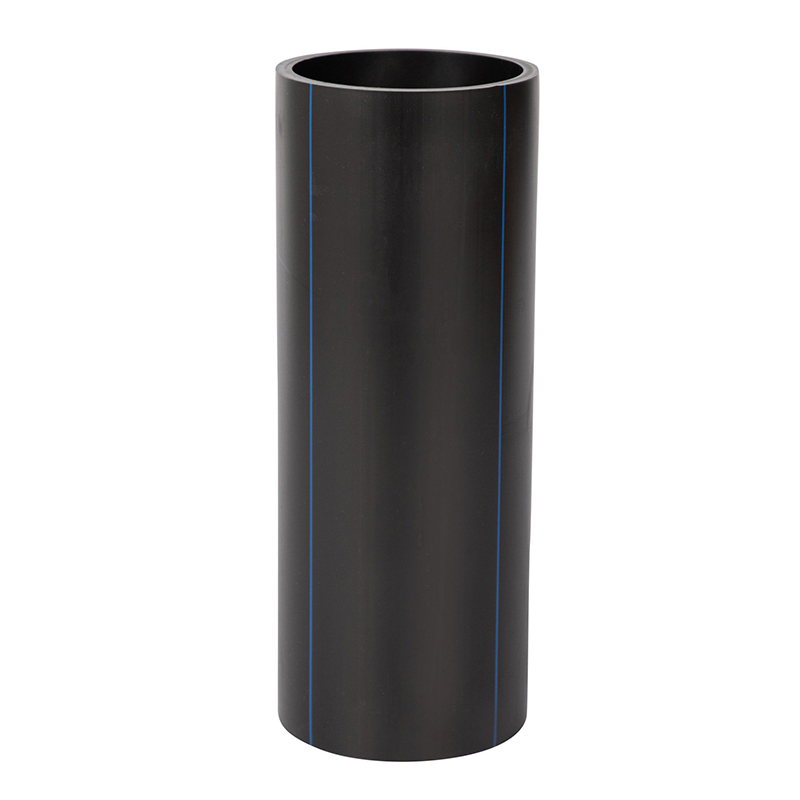

The full name is high-density polyethylene communication cable sheath pipe, which is a kind of HDPE pipe specially designed for laying optical cables, cables and communication lines. Its core function is to provide a physical protection channel for sensitive cables, safeguarding them from damage caused by moisture, corrosion, chemicals, insect bites, and external mechanical impacts such as squeezing and digging.
| Quantity: | |
|---|---|


HDPE Information Pipe, formally known as high-density polyethylene communication cable sheath pipe, is a specialized HDPE pipe engineered to safeguard sensitive communication cables, optical fibers, and signal lines. It acts as a reliable "protective tunnel" for the information superhighway, shielding vital infrastructure from environmental hazards and physical damage. Unlike generic piping, it is tailored to the unique needs of communication networks, prioritizing both protection and functionality to ensure uninterrupted signal transmission.
The core purpose of this communication cable protection pipe is to create a secure, isolated channel for cables. It forms a barrier against moisture, corrosive substances, and external mechanical impacts that could disrupt or damage delicate wiring. By maintaining a stable internal environment, it preserves the integrity of signals, making it an indispensable component for modern communication infrastructure.
| Parameter category | Parameter name | Standard value/range | Test standards/Instructions |
Materials and physical properties | Grade of raw materials | PE80 / PE100 | PE100 grade has become mainstream and has better mechanical performance |
| Density | ≥ 0.950 g/cm³ | GB/T 1033.1 | |
| Melt mass flow rate (MFR) | ≤ 0.5 g/10min (190°C, 5kg) | The smaller the value of GB/T 3682.1, the higher the molecular weight, and the better the resistance to slow crack growth. | |
| Tensile yield strength | ≥ 22 MPa (PE100) | GB/T 1040.2 | |
| Elongation at break | ≥ 350% | Reflect the toughness of the material | |
| Mechanical properties | Ring stiffness (SN) | SN4, SN8, SN12.5, SN16 | This is a key parameter, representing the ability to resist external pressure. SN8 is suitable for sidewalks and green belts. SN12.5 and above are applicable to carriageways. |
| Drop weight impact test (0°C) | Impact failure rate ≤ 10% | Test the low-temperature impact resistance of pipes in accordance with GB/T 14152 | |
| Maximum traction load | ≥ 80 N (Φ100mm tube for example ) | It reflects the tensile strength of the pipe material when it is pulled during construction | |
| Bending radius | ≤ 20-30 Times/Nominal outer diameter | Measure the flexibility of the pipe material to facilitate its bending and laying | |
| Specification and size | Nominal outer diameter (dn) | 32, 50, 63, 75, 110, 160, 200mm | Dimensional deviations are strictly stipulated by national standards (such as GB/T 13663.2). |
| Wall thickness | It is determined according to the requirements of the ring stiffness | The wall thickness of the corrugated pipe refers to the minimum laminated wall thickness | |
| Length | It is usually 6 meters per piece or 9 meters per piece, and can also be coiled (for small diameters) | ||
| Performance in use | Operating temperature | -40°C - +60°C | It has excellent cold and heat resistance |
| Vicat softening temperature | ≥ 110°C | GB/T 8802 measures heat resistance | |
| Longitudinal retraction rate | ≤ 3% (110°C) | GB/T 6671.2 reflects the thermal stability of pipes | |
| Specific functional parameters (for silicon core tubes) | Friction coefficient of the inner wall | Static: ≤ 0.25 Dynamic: ≤ 0.15 | Core parameters. It is much lower than ordinary HDPE pipes and is convenient for laying optical cables by air-blowing method |
| Adhesion of the silicone layer | Uniform, no peeling | Ensure the long-lasting lubrication performance | |
| Air-blowing efficiency | The length of a single blow can reach 1-2 kilometers | Key advantages in practical applications |
One of the standout features of HDPE Information Pipe is its remarkable flexibility, allowing it to adapt to various terrains without compromising structural integrity. This flexibility also enhances its impact resistance, ensuring it withstands unexpected pressures or collisions during installation and long-term use. Whether navigating around obstacles or handling minor ground shifts, the pipe remains durable and protective.
The pipe’s smooth inner surface is a game-changer for cable threading efficiency. It minimizes friction, allowing cables to be pulled through easily without snags or damage. This not only simplifies installation but also reduces the risk of compromising cable performance during deployment.
Corrosion resistance is a key strength of HDPE material, eliminating the need for additional anti-corrosion treatments. The pipe also offers excellent electrical insulation, preventing current interference and electrical corrosion that can degrade signal quality. This dual protection ensures consistent communication performance over time.
Compared to traditional piping materials, HDPE Information Pipe is lightweight, making transportation, handling, and laying a breeze. Its manageable weight reduces labor intensity and installation time, while its compatibility with simple connection methods streamlines the entire construction process.
Crafted from non-toxic, recyclable HDPE, the pipe aligns with modern environmental standards. It also features distinct color marking—typically orange or red—to differentiate it from other utility pipes, simplifying identification during construction, maintenance, and repairs.
In residential areas and buildings, HDPE Information Pipe is widely used to route optical fibers from main lines to individual homes. Its compact design and protective properties make it ideal for indoor and outdoor installations within communities.
As the backbone of municipal communication systems, the pipe is laid under roads to connect urban communication hubs. It ensures the reliability of public communication networks, supporting everything from phone services to high-speed internet.
Along railways and expressways, the pipe protects communication and monitoring system cables. Its durability and resistance to harsh environmental conditions make it suitable for the demanding needs of transportation infrastructure.
The pipe is manufactured from premium HDPE grades, selected for their mechanical strength and long-term durability. The material’s inherent properties ensure resistance to wear, tear, and environmental stressors.
It supports two primary connection methods: socket connection for quick, secure installs and hot-melt connection for a seamless, leak-free pipeline system. Both methods prioritize stability and protection, adapting to different project requirements.
The pipe’s design emphasizes flexibility, with a carefully calibrated bending radius that allows it to conform to uneven terrain. This adaptability reduces the need for excessive fittings and ensures a smooth, continuous protection channel.
Yes, it is specifically designed for underground installation, offering robust protection against soil moisture, corrosion, and mechanical impacts common in subsurface environments.
Absolutely. Its insulation properties and smooth interior make it compatible with both optical fibers and electrical communication cables, providing versatile protection for various signal transmission needs.
Unlike metal pipes, HDPE Information Pipe is rust-free, lighter, and more flexible. It requires less maintenance, offers better corrosion resistance, and is more cost-effective over its lifespan.


