Introduction
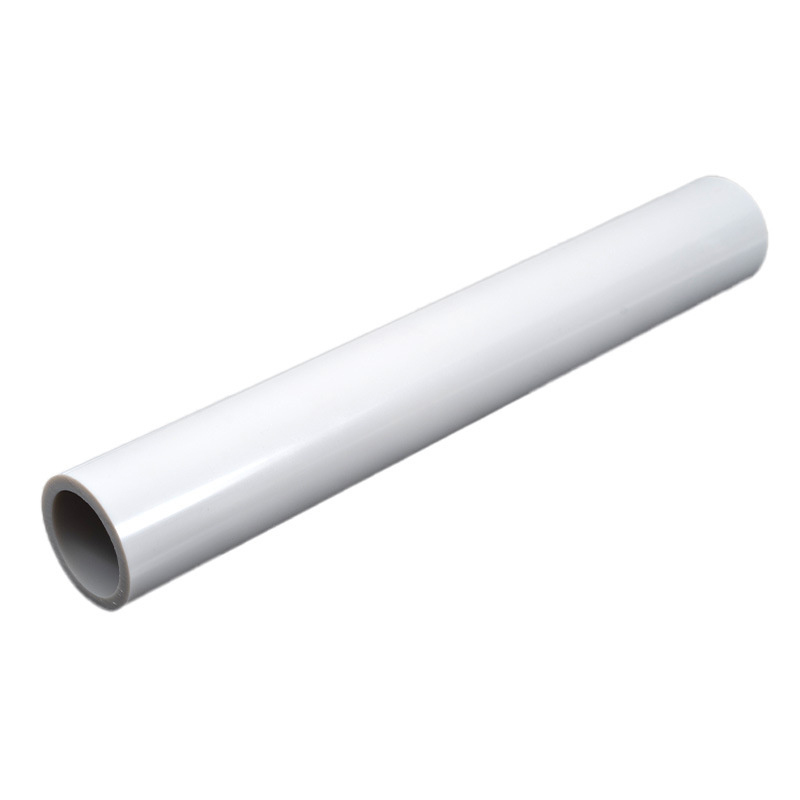
Boiling water often goes straight down the kitchen sink. But many people wonder if their plumbing can safely handle that heat. In many homes today, ABS Pipe is widely used for drain, waste, and vent systems because it is lightweight, durable, and easy to install. This raises a common question: can ABS Pipe handle boiling water without affecting performance? In this article, we explore how ABS Pipe responds to hot liquids, how plumbing design manages heat, and what practices help keep drainage systems working efficiently.
Understanding the Temperature Tolerance of ABS Pipe
The Typical Temperature Range ABS Pipe Is Designed to Handle
Every plumbing material operates within a recommended temperature range. In most building systems, ABS Pipe is designed to handle moderate wastewater temperatures commonly produced by sinks, showers, and appliances. Household drainage rarely carries liquids at extreme heat levels for extended periods. Water cools quickly as it travels through the plumbing network. Because of this natural cooling process, the actual operating temperature inside most drainage systems stays well below extreme thresholds. Engineers rely on these temperature ratings when designing plumbing networks. By matching material properties with real operating conditions, they ensure that ABS Pipe performs consistently in residential and commercial drainage systems.
How Heat Interacts With the ABS Polymer Structure
ABS is a thermoplastic polymer composed of three main components: acrylonitrile, butadiene, and styrene. This structure gives ABS Pipe a balance of strength, flexibility, and impact resistance. When temperatures rise, the polymer chains become more flexible. However, this flexibility helps absorb stress rather than causing immediate structural change. In typical plumbing use, hot liquids flow quickly through the pipe and cool down as they move through the drainage network. Because the contact time is short, the material maintains its shape and structural stability. This property makes ABS Pipe suitable for wastewater environments where temperature fluctuations occur but rarely remain constant for long periods.
Why ABS Pipe Is Commonly Used in Drain and Vent Systems
Drainage and vent systems carry wastewater away from buildings. These systems handle a wide range of water temperatures from sinks, showers, washing machines, and dishwashers. Engineers frequently select ABS Pipe because it performs reliably under these variable conditions. Another reason for its popularity is installation efficiency. ABS piping requires fewer preparation steps than some other plastic systems. Contractors can cut and join sections quickly, reducing installation time on construction sites. Combined with its mechanical strength and durability, ABS Pipe remains a preferred choice for drainage networks in both residential and commercial buildings.
What Happens When Boiling Water Enters an ABS Pipe System
How Boiling Water Behaves Inside Household Drain Systems
When boiling water enters a sink drain, it does not remain at boiling temperature for long. It immediately mixes with cooler water already present in the plumbing system. Air inside the pipes and surrounding pipe materials also absorb some of the heat. This process causes the temperature to drop quickly as the water flows through the pipe. In most homes, the water travels through several feet of pipe within seconds. As a result, the temperature decreases rapidly before it can affect the pipe material. This is why ABS Pipe continues to perform well in drainage applications that occasionally receive hot liquids from kitchens or appliances.
Short-Term Exposure vs. Continuous High-Temperature Flow
It is important to understand the difference between short exposure and continuous heat flow. In everyday kitchen use, boiling water from cooking or cleaning typically enters the drain once and then moves through the system quickly. The contact time between the hot liquid and the pipe surface is brief. Continuous high-temperature flow would create very different conditions. Industrial processes sometimes require pipes designed for constant heat exposure. Household plumbing rarely operates this way. Because of this difference, ABS Pipe performs effectively in residential drainage systems where hot liquids appear only occasionally and cool rapidly as they travel.
How Pipe Design Helps Manage Temperature Changes
In drainage engineering, pipe design plays a critical role in controlling how heat moves through a plumbing system. Factors such as pipe slope, diameter, venting, and flow velocity help hot liquids move quickly through the network. These design elements reduce heat concentration and allow temperatures inside an ABS Pipe system to stabilize naturally.
| Design Factor | Engineering Principle | Typical Technical Standard / Data | Practical Application | Impact on Temperature Management | Installation Considerations |
| Pipe Slope (Gravity Flow) | Gravity assists water movement through the pipe | Plumbing codes commonly specify 1/4 inch per foot (≈2%) slope for pipes ≤ 3 in diameter; 1/8 inch per foot (≈1%) for larger pipes | Residential kitchen and bathroom drains | Faster water movement shortens contact time between hot water and pipe walls | Ensure consistent slope during installation to prevent water stagnation |
| Pipe Diameter | Larger diameters increase flow capacity and reduce pressure buildup | Typical residential DWV pipe sizes: 1.5 in, 2 in, 3 in, 4 in | Kitchen drains, floor drains, main waste lines | Larger cross-section allows heat to disperse more quickly | Avoid undersized pipes that slow flow and trap heat |
| Flow Velocity | Water movement carries heat downstream through convection | Typical drainage velocity 0.6–3.0 m/s in gravity drainage systems | Commercial kitchens and high-flow drainage | Higher velocity reduces time hot water stays in one pipe section | Maintain proper slope and pipe sizing to sustain velocity |
| Ventilation System (DWV Vent Pipes) | Air movement stabilizes pressure and improves drainage flow | Vent pipe diameter typically ≥ 1.25 in (32 mm) depending on fixture load | Sink, toilet, and appliance drainage systems | Vent airflow prevents pressure buildup and improves fluid movement | Install vents vertically and above flood level rims |
| Pipe Material Thermal Conductivity | Heat dissipates through pipe material and surrounding air | ABS thermal conductivity approx. 0.17–0.20 W/m·K | Indoor drainage systems | Moderate heat transfer helps distribute heat along pipe length | Avoid insulating drainage pipes excessively where heat dissipation is beneficial |
| Pipe Length and Layout | Longer pipe runs allow water temperature to drop naturally | Drain branches typically 1–6 m before joining main stacks | Residential branch drains | Heat loss occurs as water travels downstream | Avoid sharp bends that slow drainage flow |
| Vent Stack Air Circulation | Air movement inside stacks equalizes pressure and assists cooling | Vertical stacks typically 75–100 mm (3–4 in) diameter in buildings | Multi-story drainage systems | Air exchange accelerates cooling of wastewater | Ensure unobstructed vent outlets above roofline |
| Pipe Wall Thickness (Schedule Rating) | Structural strength maintains pipe stability under heat exposure | Schedule 40 ABS DWV commonly used in building drainage | Residential and commercial buildings | Maintains pipe shape during temperature fluctuations | Follow ASTM D2661 or relevant plumbing standards |
Tip:Good drainage design is not only about moving wastewater efficiently. Proper slope, pipe sizing, and venting also reduce thermal stress in the system. When hot liquids enter an ABS Pipe network, fast flow and airflow allow temperatures to drop quickly, protecting long-term plumbing performance.
Why ABS Pipe Performs Reliably in Modern Drainage Systems
Impact Resistance and Structural Strength
One of the defining properties of ABS Pipe is its excellent impact resistance. The material contains butadiene rubber particles, which provide flexibility and strength. This structure allows the pipe to absorb physical stress without cracking. In construction environments, pipes may experience mechanical forces during installation or long-term building movement. ABS performs well under these conditions. Its ability to resist impact helps protect drainage systems from accidental damage. This strength contributes to the long service life of plumbing networks built with ABS Pipe.
Chemical Resistance in Wastewater Applications
Drainage systems often transport water mixed with soap, detergents, and household cleaning agents. Materials used in plumbing must tolerate these chemical conditions. ABS Pipe offers strong resistance to many common chemicals found in wastewater. Because the material does not corrode like metal pipes, it remains stable over long periods. This resistance helps prevent pipe deterioration and supports consistent drainage performance. For residential kitchens, bathrooms, and commercial facilities, ABS Pipe provides reliable chemical stability in wastewater environments.
Lightweight Design and Easy Installation
Compared with metal piping materials, ABS Pipe is significantly lighter. This makes transportation, handling, and installation easier for contractors. Workers can move large quantities of pipe quickly without heavy lifting equipment. Another advantage is the solvent cement joining method used for ABS systems. The bonding process creates strong connections while reducing installation complexity. Because the system is lightweight and easy to assemble, construction teams can complete plumbing installations faster. This efficiency contributes to the widespread use of ABS Pipe in modern building projects.
Best Practices When Draining Very Hot Water in Plumbing Systems
How Running Tap Water Helps Moderate Temperature
A simple practice used in many kitchens is running cold tap water while draining hot liquids. This approach mixes cooler water with the hot liquid before it enters the plumbing system. The temperature decreases immediately as the two streams combine. For plumbing systems that use ABS Pipe, this practice helps maintain stable operating temperatures inside the drain. It also improves flow by preventing concentrated heat from remaining in one section of pipe. Many plumbing professionals recommend this method as a simple way to support long-term pipe performance.
Allowing Liquids to Cool Slightly Before Draining
Another helpful habit is allowing boiling liquids to cool briefly before pouring them down the drain. Even a short cooling period can significantly reduce water temperature. This simple step reduces heat intensity entering the pipe system. In kitchen environments, this practice is easy to follow. After cooking pasta or boiling water, letting the pot sit for a few minutes allows heat to dissipate naturally. When the water is eventually drained, the temperature entering the ABS Pipe system is lower and closer to typical wastewater conditions.
Monitoring Plumbing Conditions in Kitchen Areas
Regular inspection of plumbing systems helps identify potential issues early. Homeowners and facility managers can occasionally check visible pipe sections under sinks. This simple visual inspection can reveal loose connections or moisture that may indicate a leak. Preventive observation helps maintain plumbing performance and extends system lifespan. Because ABS Pipe systems are commonly installed under sinks and inside cabinets, access for inspection is usually simple. Routine checks help ensure that the drainage system continues to operate efficiently.
Comparing ABS Pipe With Other Plastic Plumbing Materials
ABS Pipe vs PVC in Temperature Response
In plumbing systems, ABS and PVC are two of the most commonly used plastic pipe materials. While both perform well in drainage applications, their behavior under heat and mechanical stress differs. A structured comparison helps engineers, contractors, and facility managers clearly understand how ABS Pipe and PVC respond to temperature, installation conditions, and long-term system operation.
| Comparison Category | ABS Pipe | PVC Pipe | Typical Applications | Technical Indicators / Reference Data | Practical Considerations |
| Material Name | Acrylonitrile Butadiene Styrene | Polyvinyl Chloride | Building drainage and vent piping | ABS density ≈ 1.04 g/cm³; PVC density ≈ 1.38 g/cm³ | PVC is denser; ABS offers greater toughness |
| Recommended Operating Temperature | Typically -20°C to 60°C | Typically 0°C to 60°C | Residential and commercial drain systems | Most wastewater systems operate below 60°C | Avoid sustained high-temperature flow |
| Vicat Softening Temperature | About 95°C – 105°C | About 80°C – 85°C | Kitchen and wastewater drainage | Measured under ASTM D1525 standard | Material stiffness decreases near softening point |
| Short-Term Heat Tolerance | Can tolerate brief exposure near 100°C | Lower short-term heat tolerance | Kitchen drains, appliance discharge | Hot water cools rapidly inside pipes | Continuous boiling water flow should be avoided |
| Thermal Expansion Coefficient | 7.0 ×10⁻⁵ m/m·°C | 5.0 ×10⁻⁵ m/m·°C | Long horizontal drainage lines | Tested under ASTM D696 | Expansion allowances recommended in long runs |
| Impact Resistance | High impact strength; maintains toughness in cold environments | Lower impact resistance; more brittle in cold conditions | Underground drainage installations | ABS impact strength approx. 200–300 J/m | ABS preferred in colder climates |
| Joining Method | Solvent cement (single-step ABS cement) | Primer plus PVC solvent cement | Indoor plumbing installations | ASTM D2235 solvent welding standard | PVC installation involves additional steps |
| Weight and Handling | Lighter; easier cutting and handling | Slightly heavier | Large plumbing projects | Common diameters 1.5 in – 6 in (DWV systems) | Lightweight pipes reduce labor effort |
| UV Resistance | Lower UV resistance; typically installed indoors or underground | Better UV tolerance | Outdoor drainage installations | ASTM G154 UV exposure testing | Outdoor ABS requires protective covering |
| Typical Plumbing Systems | DWV (Drain-Waste-Vent) systems | DWV systems and water supply lines | Residential and commercial buildings | Schedule 40 pipe standard commonly used | Material choice often guided by building codes |
Tip:In kitchen drainage systems where hot water discharge is frequent, maintaining continuous flow and avoiding prolonged heat concentration helps preserve the structural stability of ABS Pipe and improves the overall longevity of the plumbing network.
ABS Pipe vs Polypropylene (PP) Pipes
Polypropylene pipes are known for strong resistance to heat and chemicals. They are often used in specialized plumbing systems that require higher temperature tolerance. However, these systems may involve more complex installation methods.
For general residential drainage, ABS Pipe offers an effective balance between durability and installation simplicity. Builders frequently select ABS because it provides reliable performance while remaining easy to cut, join, and install. This practical balance explains why it remains common in many plumbing projects.
ABS Pipe vs Polyethylene (PE) Systems
Polyethylene piping systems are widely used in underground infrastructure, particularly for water supply and gas distribution networks. These pipes offer flexibility and strong resistance to environmental stress.
However, drainage systems inside buildings often require rigid pipe structures that maintain stable alignment. ABS Pipe provides this rigidity while remaining lightweight and durable. As a result, it is frequently selected for indoor plumbing systems where stable structure and easy installation are essential.
Situations Where ABS Pipe Works Especially Well
Residential Kitchen and Bathroom Drain Systems
Household plumbing systems generate wastewater from many sources. Kitchens produce warm water from cooking and dishwashing, while bathrooms discharge water from sinks, bathtubs, and showers. These conditions create variable temperatures within drainage systems.
ABS Pipe handles these conditions effectively. Its durability and resistance to household chemicals support reliable drainage performance. Because most wastewater cools quickly as it moves through pipes, ABS remains stable in residential plumbing environments.
Underground Drain and Sewer Lines
Underground installation provides natural protection for plumbing systems. Soil surrounding the pipe helps maintain stable environmental conditions and protects the material from sunlight exposure. This environment is ideal for ABS Pipe systems.
Because underground drains carry wastewater away from buildings, they benefit from the material’s strength and durability. ABS pipes installed below ground remain protected from physical damage and temperature extremes, helping extend the lifespan of the entire drainage network.
Commercial Drainage and Vent Networks
Commercial buildings often handle higher volumes of wastewater than residential properties. Restaurants, office buildings, and retail facilities generate continuous drainage from sinks, dishwashers, and cleaning systems.
These environments require durable materials capable of maintaining consistent performance. ABS Pipe meets these requirements through its strength, chemical resistance, and ease of installation. For many commercial construction projects, ABS piping remains a reliable solution for drain and vent systems.
Conclusion
ABS Pipe is widely used in modern drainage systems because it offers strong durability, impact resistance, and easy installation. When boiling water enters a household drain, it quickly mixes with cooler water and flows through the plumbing system, allowing the temperature to drop naturally. With proper design and good usage habits, ABS Pipe can maintain stable performance in everyday environments. Hebei Anduan Technology Industry Co., Ltd. provides high-quality ABS piping products designed for reliable drainage solutions, helping builders and property owners achieve efficient, durable, and cost-effective plumbing systems.
FAQ
Q: Can an ABS pipe handle boiling water in kitchen drains?
A: Yes. An ABS pipe can handle brief hot water flow. Water cools quickly as it moves through the drain.
Q: What temperature can an ABS pipe typically handle?
A: Most ABS pipe systems work safely with wastewater below about 60°C in normal plumbing use.
Q: Is ABS pipe better than PVC for hot drain water?
A: In drainage systems, ABS pipe often shows better impact resistance and stable performance.
Q: How can I protect an ABS pipe from very hot water?
A: Run cold water while draining. This lowers heat before it enters the ABS pipe.
Q: Why is ABS pipe used in drain systems?
A: ABS pipe is lightweight, durable, and easy to install in drain-waste-vent plumbing systems.


