
Views: 0 Author: Site Editor Publish Time: 2026-05-15 Origin: Site


ABS pipe is mainly used for Drain-Waste-Vent systems, sewer drainage, vent lines, and underground waste pipes. In everyday plumbing, that means it carries wastewater away from sinks, showers, toilets, laundry areas, utility drains, and sewer-connected fixtures. Standard black ABS pipe is usually designed for non-pressure plumbing, so it should not be treated as a drinking water supply pipe.
Acrylonitrile Butadiene Styrene, better known as ABS, is a rigid thermoplastic valued for impact resistance, low-temperature toughness, and quick joining with solvent cement. Those strengths explain why plumbers often use it in waste and vent systems rather than pressurized supply lines. Its black color also makes it easy to identify on many residential and commercial job sites.
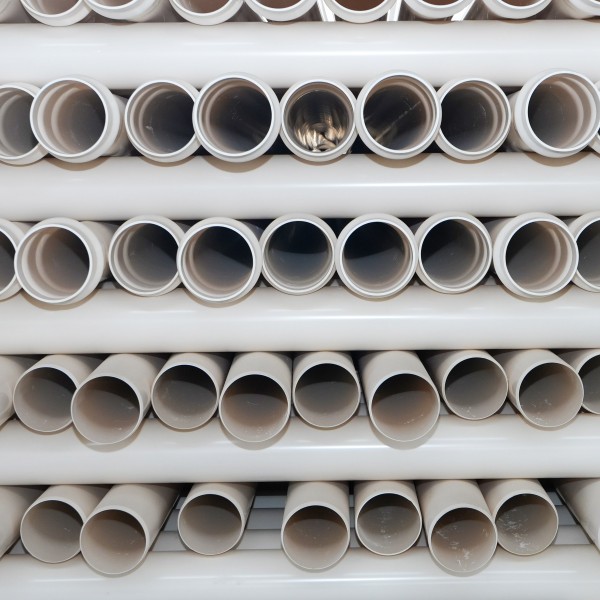
The most common use for ABS pipe is in Drain-Waste-Vent, or DWV, plumbing. A DWV system has three connected jobs: drains move used water away, waste lines carry sewage, and vent pipes balance air pressure while directing sewer gases safely out of the building. Without proper venting, drains may gurgle, empty slowly, or pull water out of traps.
Inside a home, ABS is commonly found under bathrooms, kitchens, laundry rooms, and utility spaces. It may be used for sink drains, shower drains, bathtub drains, toilet waste lines, washing machine standpipes, and floor drains. Because these lines are gravity-based, they need correct slope rather than water pressure to work properly.
A useful way to think about ABS pipe is this: it is built to move unwanted water and air, not clean water into the house. That distinction matters because many DIY buyers see a strong plastic pipe and assume it can be used anywhere. In reality, plumbing codes and pipe ratings separate drainage materials from potable water materials.
ABS pipe is also used for underground sewer lines and exterior drainage runs where local code allows it. Buried waste piping must tolerate soil pressure, shifting ground, occasional impact during installation, and temperature swings. ABS performs well in many of these conditions because it is tough and less brittle in cold weather than some other plastics.
For underground drainage, material strength is only part of the story. A sewer line also needs stable bedding, proper trench preparation, and consistent pitch so wastewater keeps moving toward the municipal sewer or septic system. Even a strong pipe can perform poorly if it sags, bellies, or traps standing water.
Direct sunlight is another factor. Once buried, ABS is protected from UV exposure, but sections left exposed outdoors for long periods can degrade. That is why exterior use should be planned around coverage, burial depth, or another approved protection method.
ABS can also appear in light commercial drainage, service rooms, utility areas, and some non-potable process systems. In commercial buildings, it may serve restroom groups, floor drains, mop sinks, condensate-related drainage, or general waste lines. The same DWV logic applies: the system usually carries waste by gravity, not pressure.
Some industrial ABS systems are used for treated wastewater, mild chemical drainage, chilled water, or process waste. However, standard ABS DWV pipe should not be confused with ABS pressure pipe. Pressure-rated ABS products must be selected by rating, chemical compatibility, temperature range, and manufacturer specification.
Use Case | Indoor or Outdoor | Pressure or Non-Pressure | Why ABS Works | Main Limitation |
Bathroom and kitchen drains | Indoor | Non-pressure | Lightweight, fast to join, corrosion-resistant | Can be noisier than PVC |
Toilet waste lines | Indoor | Non-pressure | Handles sewage flow in DWV systems | Requires correct slope and venting |
Vent stacks | Indoor/roof exit | Non-pressure | Helps release sewer gases and balance air | Roof exposure needs approved detailing |
Underground sewer lines | Outdoor/buried | Non-pressure | Impact-resistant and cold-tough | Must meet local code and bedding requirements |
Light commercial drainage | Indoor | Usually non-pressure | Practical for service and utility drainage | Not universal for all chemicals |
Industrial process waste | Varies | Depends on product rating | Suitable in selected non-potable systems | Requires pressure and chemical verification |
Many plumbers choose ABS pipe because it handles impact and cold conditions well. The butadiene component in Acrylonitrile Butadiene Styrene contributes to toughness, which helps the pipe resist cracking during transport, cutting, and installation. In cold regions, that resilience can matter when pipe is stored outside, handled in low temperatures, or installed underground.
This does not mean ABS is indestructible. A poorly supported horizontal run can sag, and a buried line can still fail if the trench is badly prepared. Even so, the material’s impact resistance makes it a practical choice when the job involves rough handling or ground movement.
Cold-weather performance is one of the main reasons ABS remains common in certain markets. PVC can work well in many DWV systems, but it may become more brittle under impact at low temperatures. That makes ABS attractive for sewer drainage, exterior waste runs, and renovation work where conditions are less controlled.
Another major reason plumbers use ABS is installation speed. ABS pipe is commonly joined with ABS solvent cement, which softens the pipe and fitting surfaces so they fuse into a solvent-welded joint. Unlike many PVC installations that require primer plus cement, ABS joining is often treated as a faster one-step process where code permits.
Good installation still requires careful preparation. The pipe should be cut square, deburred, dry-fitted, cleaned, cemented evenly, and pushed fully into the fitting socket. A rushed joint can leak if the pipe bottoms out incorrectly, if dirt remains on the surface, or if the installer rotates parts out of alignment after the cement begins to grab.
Pro-Tip: ABS is quick to join, but quick does not mean forgiving. Mark the insertion depth before cementing, keep fittings aligned during assembly, and avoid testing or stressing the joint before the cement has cured according to product instructions.
Compared with cast iron or older metal drainage materials, ABS pipe is lightweight and easy to carry through basements, crawl spaces, and remodel areas. It does not rust, scale, or corrode from normal wastewater the way metal can. Cutting and handling are also simpler, especially on smaller residential jobs.
The smooth interior wall helps wastewater move efficiently when the line is properly pitched. Fewer rough internal surfaces can reduce buildup risk, although no pipe material can compensate for grease, poor slope, or bad fixture use. Maintenance still depends on correct design and user behavior.
Chemical resistance should be discussed with precision. ABS handles many common wastewater conditions, but strong solvents, petroleum products, oils, and aggressive chemicals may not be suitable. For unusual waste streams, a chemical compatibility chart or manufacturer guidance should come before material selection.
ABS pipe makes sense when the project involves approved DWV plumbing, cold weather, underground drainage, or jobsite conditions where impact resistance is valuable. It is also useful when fast assembly matters and the local plumbing code accepts ABS for that application. Many installers appreciate the simple solvent-cement process because it can reduce labor time on drainage work.
A renovation project may also favor ABS if the existing system already uses it. Matching material can simplify fitting selection and reduce confusion around transitions. Still, the line’s actual purpose should come first: drain, waste, vent, sewer, or pressure supply.
PVC may be a better fit when sound control is important. Water moving through ABS can be more noticeable in finished walls, apartments, hotels, and multi-story homes. In those cases, PVC or additional acoustic treatment may offer a quieter result.
Availability and code preference also influence the decision. Some regions stock PVC more widely, while others commonly use ABS for DWV work. Local inspectors may have clear preferences or restrictions, so the “better” pipe is often the one that meets the building code and the project conditions.
Factor | ABS Pipe | PVC Pipe | Better Choice | Why It Matters |
Cold-weather toughness | Strong performance | Can be more brittle under impact | ABS | Useful for cold storage, handling, and buried lines |
Installation speed | Often one-step cementing | Usually primer plus cement | ABS | Can reduce labor time |
Drainage noise | Can transmit more sound | Often quieter | PVC | Important in living spaces |
UV exposure | Needs protection | Generally better outdoor tolerance | PVC | Exposed exterior runs need care |
Local code acceptance | Varies by region | Varies by region | Depends | Code approval overrides preference |
Mixed-material repairs | Needs approved transition | Needs approved transition | Tie | Correct coupling prevents failed inspection |
A common mistake is assuming ABS and PVC can be joined with any plastic pipe glue. They are different materials, and many plumbing codes restrict direct solvent-cement connections between them. When a transition is allowed, installers often use an approved transition coupling or shielded rubber coupling designed for plastic-to-plastic drainage connections.
The safest approach is to identify the existing pipe first, confirm whether the line is DWV or pressure-rated, and check local code before buying fittings. Mixed-material repairs can work, but they should not be improvised. A small connector choice can decide whether the repair passes inspection or becomes a leak point later.
Before installing ABS pipe, read the printed markings on the pipe wall. These markings may show nominal size, Schedule 40 ABS pipe, manufacturer information, certification marks, and the standard the product is made to meet. This helps confirm that the pipe is intended for the job, not just visually similar to the correct material.
Solid wall pipe and cellular core pipe can both appear in ABS DWV systems, but they are not identical in structure. Standards such as ASTM D2661 for solid wall ABS and ASTM F628 for cellular core ABS are useful authority signals when evaluating product suitability. In Canada or code-sensitive projects, references such as CSA B181.1, IAPMO UPC, NSF, or UL markings may also matter.
Markings are especially important when replacing old plumbing. A black plastic pipe may look like standard ABS, but assumptions can lead to wrong fittings, wrong cement, or failed inspection. Verification should happen before cutting.
ABS pipe is best used for approved Drain-Waste-Vent systems, sewer drainage, vent lines, underground waste pipes, and other non-pressure applications where impact resistance, cold-weather durability, and fast installation matter. It is not the right material for every job, especially potable water supply, long-term sun exposure, or unrated pressure systems.
For projects that require reliable drainage materials and practical pipe selection support, Hebei Anduan Technology Industry Co., Ltd. provides ABS pipe and related piping solutions that help users match the right product to the actual working environment, reducing installation issues and improving long-term system performance.
A: ABS pipe is mainly used for drain, waste, and vent systems, including sink drains, toilet waste lines, sewer drainage, and plumbing vents in non-pressure applications.
A: Standard ABS pipe is generally not used for potable water supply. It is designed mainly for wastewater, sewer, and vent systems rather than pressurized drinking water lines.
A: ABS pipe is often stronger in cold or impact-prone conditions, while PVC is usually quieter and more widely accepted indoors. The better choice depends on use, location, and code.
A: Yes, ABS pipe can be used underground for approved sewer and drainage lines. Proper slope, bedding, soil support, and local plumbing code approval are still required.
A: ABS-to-PVC connections usually require an approved transition coupling rather than regular pipe glue. Local code should be checked before mixing materials in one drainage system.
A: ABS pipe can last for decades when installed correctly, protected from long-term sunlight, used within its temperature limits, and kept in approved non-pressure drainage applications.


