Introduction
Many people hear ABS and think it is simple plastic. In reality, it is a durable engineering polymer used across many industries. You can find it in automotive parts, electronics housings, and modern plumbing systems such as ABS pipe. Its strength, lightweight structure, and easy manufacturing make it popular in construction and drainage systems. However, like any material used in infrastructure, ABS pipe is not perfect for every situation. In this article, we will explore the disadvantages of ABS pipe and explain when other piping materials may be a better choice.
What ABS Really Is: More Than Ordinary Plastic
The Meaning of Acrylonitrile Butadiene Styrene
ABS stands for acrylonitrile, butadiene, and styrene. These three chemical components combine through polymerization to form a durable thermoplastic. Each element adds a unique property. Acrylonitrile provides chemical resistance and stability. Butadiene contributes flexibility and impact strength. Styrene offers rigidity and a smooth surface finish. When blended together, they create a material that performs far beyond typical plastics. This combination explains why industries rely on ABS for structural parts, molded housings, and systems such as ABS pipe used in plumbing networks.
How ABS Differs From Simple Plastics
Many basic plastics contain only one repeating polymer chain. ABS differs because it is a copolymer made from several components. This structure gives it balanced mechanical behavior. It remains rigid under load yet absorbs impact without cracking. These properties make ABS useful for demanding applications where other plastics fail. Manufacturers prefer it for machine housings, appliance casings, and durable piping materials. The same performance advantages explain why ABS pipe has become common in residential and commercial plumbing systems.
Why ABS Is Classified as an Engineering Thermoplastic
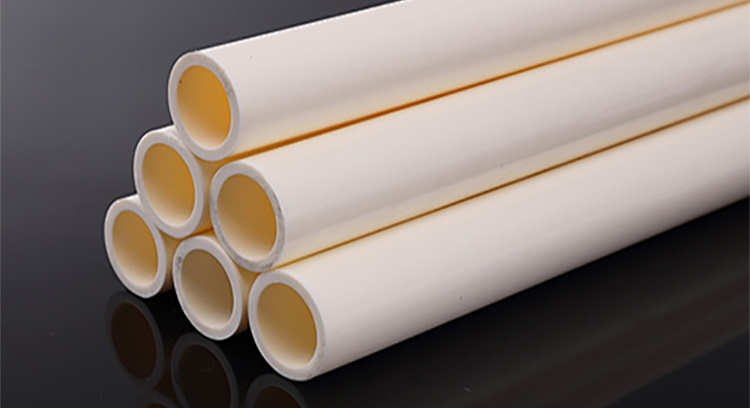
ABS belongs to the category of engineering thermoplastics. These materials offer stronger mechanical performance than commodity plastics. They soften when heated and harden again when cooled, allowing them to be reshaped and reused. This property supports efficient manufacturing and recycling. Because of its strength and processing flexibility, engineers often select ABS for functional components. Applications include automotive interior parts, electronic enclosures, and infrastructure products like ABS pipe, which must remain reliable over long service periods.
The Key Material Properties That Make ABS Unique
High Impact Strength and Structural Toughness
ABS is widely recognized for its impact resistance. The rubber component, butadiene, helps absorb shocks and vibrations. This property protects parts from sudden mechanical stress. As a result, ABS appears in products that must endure daily wear. Examples include tool housings, automotive panels, and protective casings. In plumbing applications, the same toughness allows ABS pipe to maintain structural integrity even when exposed to pressure changes or mechanical movement within building systems.
Excellent Processability in Manufacturing
Manufacturers value ABS because it processes easily. The material melts at relatively low temperatures and flows well into molds. This behavior supports injection molding, extrusion, machining, and 3D printing. Engineers can create complex shapes with consistent quality. Extrusion processes also produce continuous profiles such as sheets, rods, and ABS pipe used in plumbing and drainage systems. The ability to form precise shapes while maintaining strength makes ABS highly efficient for large-scale industrial production.
Chemical Resistance and Dimensional Stability
In many engineering environments, materials must withstand chemical exposure while maintaining structural accuracy. ABS performs well under these conditions and is therefore widely used in piping systems and industrial components. The following reference summarizes the chemical compatibility and dimensional stability characteristics relevant to ABS pipe applications.
| Category | Application Scenario | Chemical / Environmental Exposure | Key Material Characteristics | Technical Indicators (Typical Values) | Relevant Standards | Engineering Considerations |
| Water transport systems | Drain, waste, and vent (DWV) piping | Continuous water exposure | Non-corrosive polymer structure | Water absorption: ~0.2–0.4% (24h, ASTM D570) | ASTM D2661 | Suitable for long-term moisture environments |
| Household wastewater piping | Residential plumbing lines | Detergents, soaps, organic residues | Chemical resistance to diluted acids and alkalis | Density: ~1.04 g/cm³; Tensile strength: ~40–50 MPa | ASTM D1784 | Avoid prolonged contact with strong solvents |
| Industrial drainage | Light industrial waste systems | Oils, salts, and mild chemicals | Resistant to many hydrocarbons and salt solutions | Elastic modulus: ~2.0–2.4 GPa | ASTM D638 | Ensure chemical compatibility review for industrial effluents |
| Underground piping systems | Subsurface drainage lines | Moist soil, groundwater, mineral salts | Corrosion-free polymer structure | Thermal expansion coefficient: ~8–10 ×10⁻⁵ /°C | ASTM D696 | Provide expansion allowance in long pipe runs |
| Mechanical equipment drainage | Equipment outlet connections | Lubricating oils, process liquids | Dimensional stability under load | Vicat softening temperature: ~95–105°C | ASTM D1525 | Maintain operating temperature within design range |
| Structural plastic components | Pump housings or drainage fittings | Mechanical stress and moisture | Good creep resistance and structural stability | Flexural strength: ~65–75 MPa | ASTM D790 | Support fittings properly to reduce stress concentration |
| Commercial plumbing networks | Vertical drainage stacks | Constant flow and humidity | Low corrosion risk compared with metal piping | Izod impact strength: ~200–400 J/m | ASTM D256 | Install pipe supports at proper intervals |
Tip: When designing drainage or wastewater systems with ABS pipe, engineers often review chemical compatibility charts to confirm that the conveyed fluids fall within the material’s stable operating range, ensuring long-term dimensional stability and reliable system performance.
Why ABS Pipe Demonstrates That ABS Is More Than “Just Plastic”
How ABS Pipe Is Manufactured
The production of ABS pipe begins with polymer resin pellets. These pellets melt inside extrusion equipment. The molten material then flows through a pipe-shaped die that forms the final profile. As the material cools, it solidifies into a durable pipe structure. Engineers adjust processing parameters to achieve consistent wall thickness and mechanical performance. This controlled manufacturing process ensures that ABS piping meets the strength and reliability standards required in construction and plumbing systems.
Mechanical Strength and Durability of ABS Pipe
Plumbing materials must withstand repeated stress and environmental exposure. ABS pipe offers strong mechanical durability while remaining lightweight. The material resists cracking under moderate pressure and absorbs mechanical shocks from system movement. These characteristics make it suitable for drainage, waste, and vent systems. Contractors appreciate the balance of strength and easy installation. Because the pipe remains stable over long periods, it contributes to reliable plumbing infrastructure in both residential and commercial buildings.
Chemical and Moisture Resistance in Plumbing Systems
Plumbing networks often encounter moisture, detergents, and various chemicals. ABS performs well under these conditions. The polymer structure resists corrosion and prevents degradation caused by water exposure. Unlike metal pipes, ABS pipe does not rust or scale over time. This stability helps maintain smooth internal surfaces that support efficient fluid flow. Because of these advantages, engineers frequently specify ABS piping materials in drainage systems where long-term reliability is essential.
How ABS Is Manufactured and Processed in Modern Industry
Polymerization and the Formation of ABS Resin
The production of ABS begins with a polymerization process that blends acrylonitrile, butadiene, and styrene. Chemical reactions link these molecules into long polymer chains. Engineers control the ratio of each component to achieve specific properties. Increasing rubber content can improve toughness, while higher styrene content can enhance rigidity and surface quality. This flexibility allows manufacturers to create ABS grades suited for different industries. The same base material can produce durable components or infrastructure products such as ABS pipe.
Common Manufacturing Processes for ABS Products
ABS supports several manufacturing methods. Injection molding produces precise parts for electronics and appliances. Extrusion forms continuous materials like sheets, rods, and ABS pipe used in plumbing. CNC machining shapes custom components for engineering applications. 3D printing also uses ABS filament to build prototypes and functional models. This wide processing compatibility makes ABS attractive for both small-scale production and large industrial manufacturing environments.
Surface Finishing and Customization Capabilities
ABS offers strong aesthetic flexibility. Manufacturers can add color pigments during processing, which eliminates the need for post-painting. The material can also achieve glossy or matte surface textures depending on processing conditions. This visual versatility benefits industries that require attractive finished products. Consumer electronics, appliances, and automotive interior parts often rely on ABS for both performance and design appearance. Even functional products like ABS pipe benefit from consistent manufacturing quality and controlled surface characteristics.
Industries That Rely on ABS for High-Performance Products
Automotive and Transportation Components
The automotive industry frequently uses ABS because it combines strength with lightweight performance. Interior panels, dashboard elements, and trim components often rely on this material. ABS reduces vehicle weight while maintaining durability. It also supports precise molding for complex shapes. These properties allow engineers to design efficient interior structures that remain resistant to daily wear. The material’s durability has made it a trusted choice across many transportation applications.
Consumer Electronics and Household Products
ABS plays an important role in electronics and household appliances. Laptop housings, keyboards, vacuum cleaner shells, and tool casings often use ABS materials. The plastic offers strong impact resistance and electrical insulation. These characteristics protect sensitive internal components. Designers also appreciate the material’s smooth finish and color flexibility. Because ABS combines functional protection with attractive appearance, it has become a standard material for consumer product manufacturing.
Construction and Infrastructure Applications
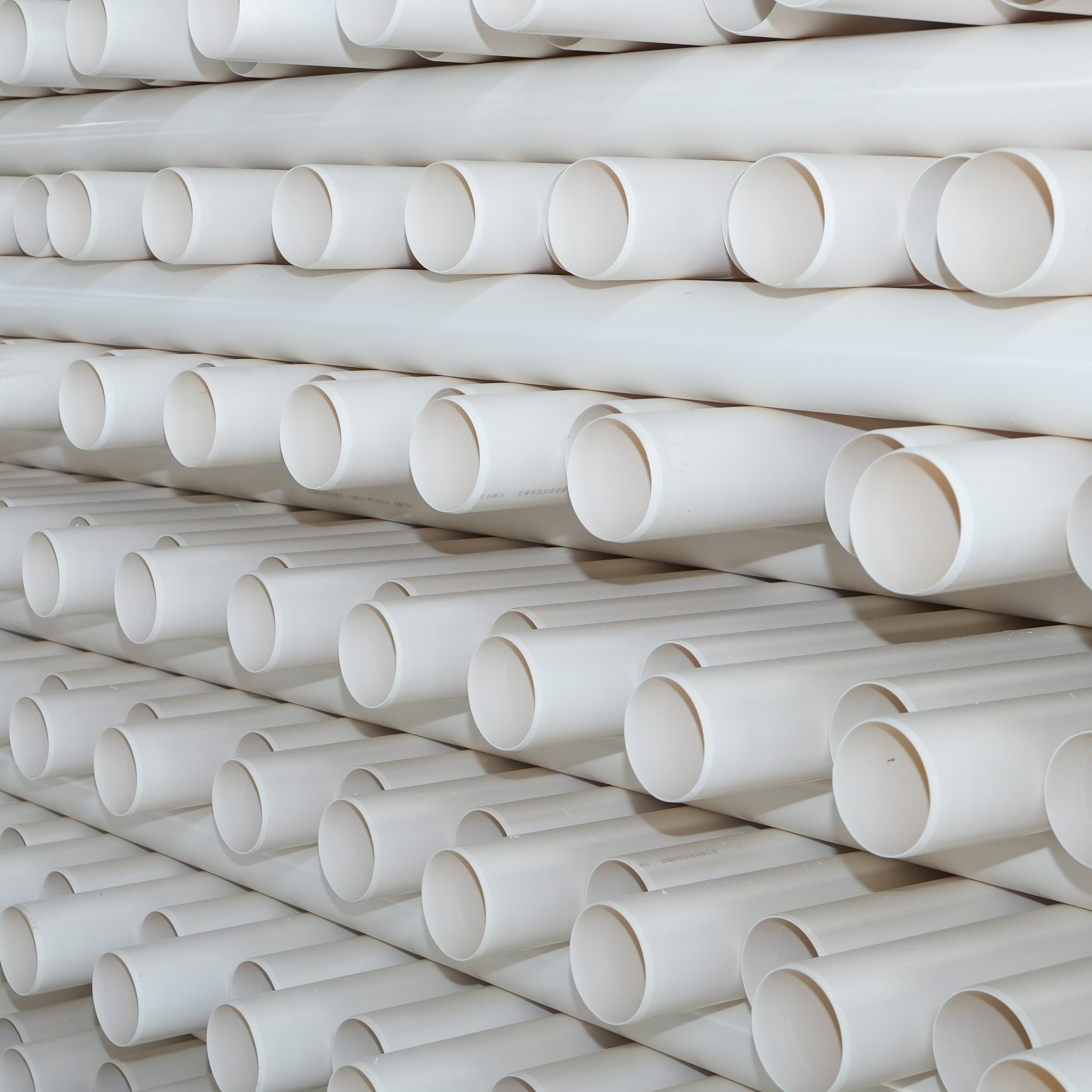
In construction and infrastructure projects, ABS materials are frequently used for structural components and piping systems. Among these applications, ABS pipe is especially common in drainage, waste, and vent systems. The following table summarizes typical uses, structural characteristics, technical indicators, and engineering considerations relevant to ABS piping in building environments.
| Application Scenario | Typical Structure | Key Material Characteristics | Main Technical Indicators | Common Standards | Engineering Considerations |
| Building drainage systems (DWV) | ABS pipe with solvent-welded fittings | High impact resistance, corrosion resistance, lightweight | Density: ~1.04 g/cm³; Tensile strength: ~40–50 MPa; Izod impact strength: ~200–400 J/m | ASTM D2661, ASTM D3311 | Pipes should maintain proper slope (typically 1–2%) to ensure smooth drainage flow |
| Wastewater conveyance | Solid-wall or cellular ABS pipe | Chemical resistance to many detergents and organic waste | Operating temperature: about −20°C to 60°C; Vicat softening temperature: ~95–105°C | ASTM D1527 | Avoid long-term exposure to higher temperature fluids |
| Ventilation piping in plumbing systems | Lightweight ABS vent pipe | Low density, moisture resistance | Density: ~1.04 g/cm³; Water absorption: ~0.2–0.4% | ASTM D3965 | Secure pipe supports to reduce vibration and movement |
| Underground building drainage | Thick-wall ABS pipe | High toughness, soil stress resistance | Ring stiffness class: commonly SN4–SN8; Elastic modulus: ~2 GPa | ASTM D2751 | Backfill soil should be compacted evenly to prevent localized stress |
| Interior building waste piping | ABS pipe with solvent cement joints | Reliable sealing, efficient installation | Joint method: solvent cement; Typical diameters: 1.5–4 in (≈40–100 mm) | ASTM D2235 | Joint surfaces must be clean and dry before bonding |
| Commercial building vertical stacks | Vertical ABS pipe systems | Lightweight structure reduces building load | Linear thermal expansion: ~8 × 10⁻⁵ /°C | ASTM D1784 | Allow expansion clearance for temperature variation |
| Equipment drainage connections | ABS pipe with molded fittings | Excellent machinability, wide fitting availability | Melt flow rate: typically 5–15 g/10 min (grade dependent) | ASTM D1238 | Avoid excessive mechanical stress or misalignment during installation |
Tip: In building plumbing design, ABS pipe is most often used in DWV (Drain-Waste-Vent) systems. Proper pipe diameter selection, slope design, and support spacing are critical factors that influence drainage efficiency and long-term system reliability.
Why ABS Remains One of the Most Versatile Engineering Plastics
Balance Between Strength, Cost, and Manufacturability
ABS provides a practical balance between performance and cost. The raw materials remain affordable compared with many advanced polymers. At the same time, the material delivers strong mechanical properties. Manufacturers can process ABS using efficient production methods such as injection molding and extrusion. This balance allows companies to produce durable products without excessive material cost. It also supports large-scale manufacturing of components and systems such as ABS pipe.
Recyclability and Material Reprocessing
ABS belongs to the thermoplastic family, which means it can be reheated and reshaped. This property supports recycling and material reuse. Industrial recycling systems grind used ABS products into pellets that can return to manufacturing processes. Reprocessed material often appears in non-critical components or industrial products. This circular use helps reduce waste and improve resource efficiency in manufacturing industries.
Adaptability Across Different Product Designs
Another strength of ABS is its adaptability. Engineers can adjust formulations to suit different product requirements. Some grades emphasize rigidity, while others focus on impact resistance or surface quality. This flexibility allows ABS to support diverse product designs. Manufacturers can create electronics housings, appliance parts, automotive panels, and plumbing systems such as ABS pipe using variations of the same base material. Few materials offer such broad design possibilities.
Conclusion
ABS is more than ordinary plastic. Its engineered structure combines three polymers to deliver strength, impact resistance, and efficient processing. These qualities make it widely used in automotive parts, electronics housings, and construction systems such as ABS pipe. Across many industries, ABS proves that advanced plastics can function as reliable engineering materials. Hebei Anduan Technology Industry Co., Ltd. provides high-quality ABS pipe products designed for durability, consistent performance, and dependable value in modern infrastructure and plumbing applications.
FAQ
Q: Is ABS just plastic?
A: No. ABS is an engineered polymer used in products and ABS pipe systems.
Q: What is ABS pipe made of?
A: ABS pipe uses acrylonitrile, butadiene, and styrene for strength.
Q: Why is ABS pipe widely used?
A: ABS pipe offers impact resistance and reliable plumbing performance.
Q: Is ABS pipe suitable for drainage systems?
A: Yes. ABS pipe is common in DWV plumbing systems.
Q: How does ABS pipe compare to other plastics?
A: ABS pipe provides stronger impact resistance and durability.


