
Views: 0 Author: Site Editor Publish Time: 2026-03-12 Origin: Site


Plastic pipes dominate modern plumbing systems, and two of the most common materials are ABS pipe and PVC pipe. Both are widely used in drain, waste, and vent systems, yet they differ in structure, installation methods, and typical applications. This often leads contractors and engineers to ask a simple question: Is ABS pipe better than PVC? In this article, you will learn the key differences, practical applications, and performance factors that help determine when ABS pipe is the better choice.
Strength plays a major role in pipe selection. ABS pipe is widely recognized for its high impact resistance and structural rigidity. It withstands shocks during installation and transport. Contractors often value this durability when pipes are installed underground or in active construction zones. PVC pipes remain strong but are more brittle under heavy force. In contrast, ABS pipe maintains structural stability when exposed to pressure, vibration, or physical impact, making it a dependable choice for demanding drainage systems.
Installation speed directly affects labor costs in construction projects. ABS pipe connections usually require only one step using solvent cement. The bonding process forms a quick and reliable seal, allowing installers to connect pipes efficiently. PVC pipe typically requires two steps: primer application followed by cement bonding. This extra step adds time to each connection. Because of its simple installation method, ABS pipe often allows contractors to complete projects faster while maintaining strong pipe joints.
PVC pipes provide a degree of flexibility that helps them adapt to complex indoor layouts. Their structure also helps reduce the sound of flowing water inside buildings. While ABS pipe emphasizes rigidity and strength, PVC prioritizes quiet operation. This difference explains why PVC frequently appears in indoor residential drainage systems. Even so, ABS pipe remains widely used where strength and quick installation matter more than acoustic performance.
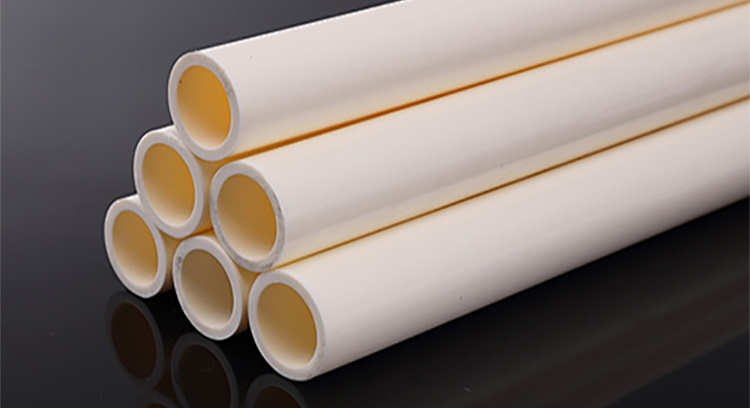
ABS pipe is made from acrylonitrile butadiene styrene, a thermoplastic polymer known for durability and chemical resistance. Each component contributes specific properties. Acrylonitrile provides heat and chemical stability. Butadiene improves impact resistance. Styrene increases rigidity and strength. These combined properties create a pipe that performs well in demanding drainage environments. Because of this balanced composition, ABS pipe offers reliable structural strength while remaining lightweight and easy to handle during installation.
Rigidity allows pipes to maintain shape under stress. ABS pipe has a dense molecular structure that resists bending and deformation. When installed underground or inside walls, it maintains consistent internal flow pathways. This structural stability reduces the risk of cracks caused by vibration or external pressure. As a result, plumbing professionals frequently choose ABS pipe for sewer lines and drainage systems where long-term durability is essential.
Temperature variations influence pipe performance. ABS pipe handles both cold and moderate heat conditions effectively, maintaining structural integrity even in low-temperature environments. This makes it suitable for installations in colder regions or underground systems where temperatures fluctuate. Because it remains stable during temperature changes, ABS pipe ensures continuous drainage performance and reduces maintenance concerns in long-term plumbing infrastructure.
ABS pipe uses solvent welding, where the cement softens the pipe surface and fuses the materials together to form a molecular bond. This creates a continuous joint rather than a mechanical connection. Proper bonding requires clean pipe ends, square cuts, and uniform cement coverage around the circumference. Installers typically hold the joint for several seconds to prevent push-back. Compared with multi-step systems, this method improves alignment accuracy and ensures consistent leak-resistant joints across large DWV installations.
ABS pipe is designed for efficient field modification, allowing installers to cut sections quickly using standard pipe cutters, reciprocating saws, or fine-tooth hand saws. Its moderate rigidity helps maintain straight cuts and reduces deformation during trimming. After cutting, deburring the pipe edge improves solvent penetration and joint quality. The pipe’s light weight also simplifies vertical installation in multi-story buildings. These characteristics enable plumbers to assemble drainage lines efficiently while maintaining dimensional accuracy.
In large drainage installations and commercial construction, installation efficiency directly affects project timelines and labor costs. ABS pipe is often selected because it is lightweight and uses a simplified bonding method. The following table summarizes installation efficiency, technical parameters, practical applications, and key considerations for ABS pipe in plumbing projects.
| Category | ABS Pipe Typical Data | Practical Application | Installation Considerations | Technical Standards |
|---|---|---|---|---|
| Pipe Weight | Approx. 0.9–1.4 kg/m (for 3–4 in / 75–100 mm pipe) | DWV systems in residential and commercial buildings | Lightweight material reduces handling fatigue during installation | ASTM D2661 |
| Standard Pipe Sizes | 1.5–12 in (38–305 mm diameter) | Drain, waste, and vent systems | Compatible with common DWV fittings and layouts | ASTM D2665 |
| Joining Method | Single-step solvent cement connection | Rapid installation in drainage networks | No primer required before cement | ASTM D2235 |
| Initial Bonding Time | Approx. 5–10 seconds set time | Fast pipe assembly on construction sites | Pipes should be aligned before cement application | Manufacturer guidelines |
| Full Cure Time | Typically 2–24 hours depending on temperature | Pressure testing after installation | Optimal curing at 21–30 °C (70–86 °F) | Plumbing installation practices |
| Cutting Method | Hand saw, pipe cutter, or power saw | Field adjustment of pipe lengths | Cuts should be square and burr-free | Standard plumbing tools |
| Internal Surface Roughness | ≈ 0.0015 ft (0.00046 m) | Smooth wastewater flow in drainage systems | Helps reduce blockages and maintain flow rate | Hazen–Williams coefficient reference |
| Impact Resistance | ≥10 ft-lb/in (≈13.6 J/cm) | Underground drainage and sewer lines | Reduces risk of cracking during transport or installation | ASTM D256 |
| Installation Temperature Range | −20 °C to 60 °C (−4 °F to 140 °F) | Cold-climate plumbing installations | Pipe should be protected from prolonged UV exposure | Industry installation practice |
| Typical Applications | DWV systems, sewer lines, underground drainage | Residential buildings, commercial facilities | Designed for gravity drainage systems | Plumbing industry standards |
Tip:In large plumbing projects, the one-step solvent cement process of ABS pipe can reduce installation time by roughly 15–25% compared with two-step PVC bonding processes (verification recommended), helping contractors maintain tighter construction schedules.
Underground drainage systems require pipes that tolerate soil load, vibration, and long-term moisture exposure. ABS pipe meets these requirements through its rigid thermoplastic structure and strong impact resistance. When buried, proper installation includes bedding with compacted sand or gravel to distribute loads evenly along the pipe wall. ABS pipe is commonly used for gravity sewer lines because its smooth interior surface maintains stable flow velocity and reduces sediment buildup. These characteristics help maintain reliable wastewater transport in municipal and building drainage networks.
Low temperatures can cause many plastics to become brittle, but ABS pipe maintains structural stability in cold environments. Its material composition allows it to tolerate temperature fluctuations without cracking under moderate mechanical stress. In colder regions, contractors often install ABS drainage lines with proper slope and insulation to prevent wastewater stagnation and freezing. Maintaining continuous flow and using appropriate pipe supports helps preserve system integrity. These practices allow ABS pipe to perform reliably in cold-weather plumbing systems.
DWV systems depend on consistent flow and proper ventilation to remove wastewater and sewer gases. ABS pipe is widely used in these systems due to its smooth bore and chemical resistance. The interior surface helps maintain stable wastewater velocity, reducing the likelihood of deposits that can restrict flow. Proper pipe slope, typically about 1/4 inch per foot for smaller drains, ensures efficient gravity drainage. In residential and commercial buildings, these characteristics allow ABS pipe to support dependable long-term drainage performance.
Indoor plumbing systems often prioritize quiet operation and flexible routing. PVC pipes are frequently selected for interior drainage lines because they dampen water flow noise. This property makes them suitable for residential buildings where noise control matters. Even so, ABS pipe continues to appear in many drainage systems when installation speed and durability remain the primary priorities.
Water movement inside pipes can create noticeable sound in walls or ceilings. PVC pipes reduce these sounds due to their material structure, making them common in apartment complexes and multi-story buildings. Builders often consider acoustic comfort when designing interior drainage systems. While ABS pipe focuses on strength and efficiency, PVC supports quieter indoor environments.
Building interiors often require pipes to navigate tight spaces. PVC pipes provide flexibility that helps installers route them through walls and structural frames. This adaptability simplifies installation in complex layouts. For projects requiring extensive routing adjustments, flexibility becomes valuable. Nevertheless, ABS pipe still dominates applications where strength and installation speed remain the main priorities.
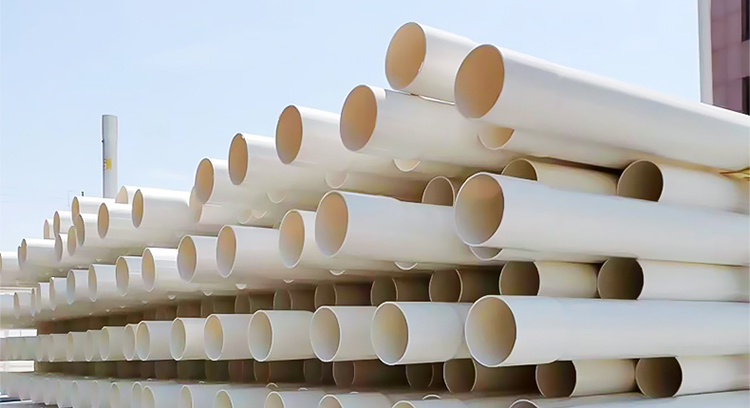
Plumbing codes determine where and how different piping materials may be used in drainage systems. Regulations vary by region and are typically based on national model codes such as the IPC or UPC. Understanding these standards helps engineers and contractors ensure that ABS pipe installations meet safety, performance, and inspection requirements.
| Category | Code Reference | Technical Requirement | Application Scope | Key Notes |
|---|---|---|---|---|
| Drain, Waste, and Vent (DWV) Systems | IPC Section 702 / UPC Chapter 7 | ABS Schedule 40 DWV pipe permitted for gravity drainage systems | Residential and commercial DWV piping | Must comply with ASTM D2661 or ASTM D2665 |
| Pipe Material Standard | ASTM D2661 / ASTM D2665 | Defines dimensions, wall thickness, and performance requirements for ABS DWV pipe | Manufacturing and installation quality | Ensures compatibility with standard fittings |
| Solvent Cement Standard | ASTM D2235 | Specifies solvent cement composition for ABS pipe bonding | Pipe joint installation | Cement must match ABS material specification |
| Minimum Pipe Slope | IPC 704.1 | Typically 1/4 in per ft (≈20.8 mm/m) for pipes ≤3 in diameter | Horizontal drainage lines | Maintains gravity flow efficiency |
| Pipe Support Spacing | IPC Table 308.5 | Maximum 4 ft (≈1.2 m) support interval for horizontal ABS pipe | Interior plumbing installations | Prevents pipe sagging and joint stress |
| Underground Installation | IPC 305 / local amendments | Pipes must be installed below frost line where applicable | Sewer and underground drainage | Bedding material recommended for load distribution |
| Pipe Diameter Range | Standard DWV sizes | 1.5–12 in (38–305 mm) commonly permitted | Building drainage networks | Must match fixture unit calculations |
| Fire Rating Considerations | Building code requirements | Firestop systems required where pipes penetrate fire-rated walls | Commercial buildings | Use listed firestop assemblies |
| Material Identification | ASTM marking rules | Pipes must display manufacturer name, standard number, and size | Inspection and compliance verification | Required for building approval |
Tip:Before specifying ABS pipe in a project, always verify whether the local jurisdiction follows the IPC (International Plumbing Code) or UPC (Uniform Plumbing Code), since regional amendments can influence where ABS drainage piping is permitted.
Cost often influences material selection in large infrastructure projects. ABS pipe and PVC pipe usually have similar price ranges, although market conditions can affect costs. Installation time also affects total project expense. Because ABS pipe installs quickly, it can reduce labor costs in large plumbing systems. Businesses should evaluate both material price and installation efficiency when planning budgets.
Environmental factors play a major role in pipe performance. Outdoor installations, underground systems, and colder climates often favor ABS pipe due to its structural strength and temperature resistance. Indoor drainage systems may prioritize noise control and flexibility. By considering environmental conditions early in project planning, engineers can select the piping material that delivers the best long-term performance.
So, is ABS pipe better than PVC? The answer depends on the project environment and installation needs. ABS pipe is valued for its strong impact resistance, fast installation process, and reliable performance in underground or cold-climate drainage systems, while PVC is often preferred for quieter indoor plumbing layouts. Both materials play important roles in modern DWV systems. Hebei Anduan Technology Industry Co., Ltd. provides high-quality ABS pipe products designed for durability, efficient installation, and dependable long-term drainage performance in residential and commercial projects.
A: Yes. ABS Pipe has higher impact resistance and works well in underground drainage systems.
A: Use ABS Pipe for sewer lines, cold climates, and fast installation projects.
A: Yes. ABS Pipe is widely used for drain, waste, and vent systems.
A: Yes. ABS Pipe uses one-step solvent cement bonding, which speeds up installation.
A: ABS Pipe offers strength and quick installation, while PVC is quieter indoors.


