
Views: 0 Author: Site Editor Publish Time: 2026-05-26 Origin: Site


ABS plastic is not the same as PVC. They are both thermoplastic materials, and both appear in plumbing, construction, and manufactured products, but their chemistry, toughness, chemical resistance, joining method, and best-use cases are different.
This guide breaks the decision into four practical areas: the material difference, how ABS pipe compares with PVC pipe in plumbing, whether the two materials can be replaced or connected, and which one fits your project. That structure matters because many pipe failures do not come from choosing a “bad” plastic. They come from using a good plastic in the wrong application.
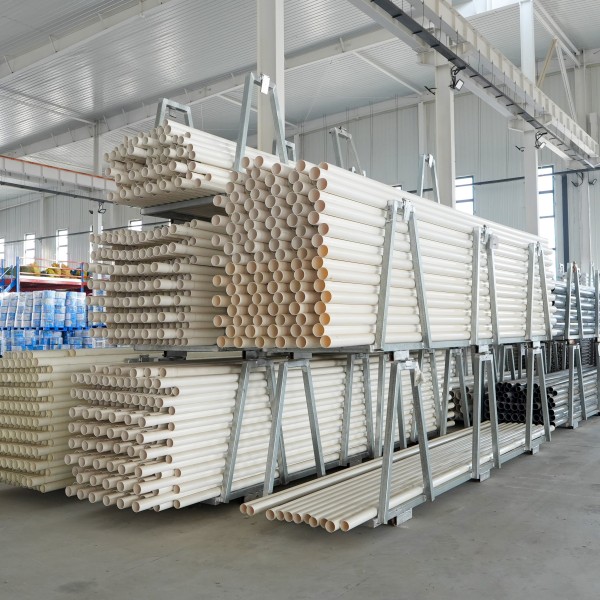
ABS stands for Acrylonitrile Butadiene Styrene, a three-part polymer designed to balance rigidity, toughness, and processability. Acrylonitrile supports chemical stability and hardness, butadiene improves impact resistance, and styrene helps create a smooth, moldable surface. This blend explains why ABS is widely used in drain pipe, automotive trim, tool housings, appliance parts, protective cases, and durable molded goods.
In plumbing, ABS pipe is usually recognized by its black color and rigid feel. Its main advantage is toughness, especially when the pipe may face bumps, vibration, or colder jobsite conditions. That is why many installers associate it with drain, waste, and vent work rather than delicate decorative uses.
Dimensional stability is another reason ABS performs well in molded and extruded products. Pipe and fittings need to stay round, hold their shape, and fit tightly during solvent welding. When the application is non-pressure drainage, those characteristics make ABS pipe a practical material rather than just a cheaper substitute for another plastic.
PVC stands for Polyvinyl Chloride, a chlorine-containing thermoplastic known for strong chemical resistance, corrosion resistance, and broad availability. Depending on the formulation, it can be rigid for pipe and profiles or flexible for tubing, cable insulation, and certain medical products. This range gives PVC a wider footprint across construction, plumbing, electrical, irrigation, siding, and industrial applications.
Compared with ABS, PVC usually performs better where chemical exposure, sunlight, or broad code acceptance are major concerns. Rigid PVC is common in many piping systems because it resists many acids, salts, and corrosive substances. It is also easier to source in many regions, which can lower project delays and make replacement fittings easier to find.
The key difference is not that one material is always stronger. ABS is often tougher under impact, while PVC often wins on chemical resistance and weather tolerance. A useful comparison looks at the whole application, not just a single property.
Factor | ABS Plastic / ABS Pipe | PVC Plastic / PVC Pipe |
Chemical base | Acrylonitrile Butadiene Styrene | Polyvinyl Chloride |
Common pipe color | Black | White, gray, or sometimes other colors |
Toughness | Strong impact resistance | Good rigidity, but can be less impact-tolerant in cold conditions |
Flexibility | Rigid but tough | Rigid or flexible depending on formulation |
Chemical resistance | Moderate to good | Generally stronger |
UV resistance | Weaker without protection | Usually better for outdoor exposure |
Heat resistance | Good for many DWV uses, with limits | Varies by type and application |
Typical uses | DWV pipe, sewer drainage, molded parts | Plumbing, conduit, irrigation, siding, tubing |
In plumbing, ABS pipe is best understood as a drainage material, not a universal pipe for every water-related task. Its common role is in DWV systems, which means drain, waste, and vent piping. These systems move wastewater by gravity and manage air pressure so traps and drains work correctly.
A typical ABS pipe installation may appear under sinks, behind bathroom walls, in vent stacks, or in underground non-pressure drainage where local rules allow it. The pipe is not normally chosen for potable water supply because DWV piping and pressurized water piping are judged by different performance requirements. Pressure rating, temperature, fittings, and code approval all matter before a material is selected.
This is where many DIY mistakes start. A homeowner may see a black plastic pipe and assume any black pipe can replace any other drain component. In reality, diameter, schedule, fitting type, wall construction, and system function all need to match.
PVC has a broader role because it appears in more types of pipe systems and building products. In residential and commercial work, PVC can be used for drainage, venting, irrigation, conduit, and in some approved pressure-rated water applications. Its wider availability also means stores often carry more PVC pipe sizes, fittings, primers, and accessories.
That broader use does not make PVC automatically better than ABS pipe in every drain repair. A black ABS system may be easier to repair with matching ABS fittings when code allows it and the existing layout is already built around ABS dimensions. Matching the existing material can reduce transition points and make a cleaner repair.
For new work, the local code environment often decides the argument before material preference does. Some regions commonly accept ABS drainage, while others favor PVC or require specific markings and installation methods. The best material is the one that fits the system and passes inspection.
Beyond chemistry, homeowners usually notice three practical differences: noise, sunlight, and cold-weather behavior. PVC is often considered quieter when water moves through the pipe, which can matter in walls near bedrooms or finished living areas. ABS may transmit more drainage sound unless the wall assembly, insulation, or pipe support helps reduce vibration.
Sunlight is another difference. ABS pipe should not be treated as a long-term exposed outdoor material unless it is specifically protected or the manufacturer allows that use. UV degradation can weaken the surface and affect appearance, while PVC generally handles exterior exposure better in many building applications.
Cold weather is where ABS can be attractive. Its impact resistance can be useful during transport, cutting, and installation in colder conditions. Still, neither material should be chosen by color alone.
Replacing ABS pipe with PVC pipe can be acceptable in some repairs, but it should never be treated as a simple color swap. The first check is whether the line is part of a DWV system or a pressure system. The second check is whether the new material and fitting method are approved by local plumbing code.
Pipe size also matters. Nominal pipe size does not mean the pipe measures exactly that number across the outside, and fittings are designed around specific standards. A repair that looks close by eye can still create a poor fit, a lip inside the drain, or a joint that is hard to support correctly.
Existing system material should guide the repair plan. If most of the system is ABS, using matching ABS may reduce transitions. If a renovation is moving toward PVC, the connection point needs to be handled with an approved method rather than improvised glue.
One of the most expensive mistakes is assuming all plastic pipe cement works on all plastic pipe. ABS solvent cement is formulated for ABS, while PVC installations commonly use primer and PVC cement. These products soften and fuse specific plastics; they are not general-purpose adhesives.
A joint between ABS and PVC may look solid immediately after assembly, especially if the pipe ends fit tightly. The risk appears later when vibration, drainage load, temperature movement, or inspection exposes a weak bond. A slow leak inside a wall can cost much more than the correct fitting would have cost at the start.
Cure time, dry fitting, and alignment also matter. A rushed joint can twist out of position, reduce slope, or leave stress on the fitting. Even when the right cement is used, poor preparation can cause the same result as the wrong product.
When ABS and PVC meet, many repairs use a transition coupling or other approved adapter. A mechanical coupling often includes a rubber sleeve and a metal shield or bands that clamp around the pipe ends. This method can create a serviceable connection without pretending the two plastics are the same material.
The right coupling must match the pipe type and diameter. A loose rubber sleeve, an unshielded connection in the wrong location, or a coupling not rated for the application can fail inspection. Manufacturer instructions and local code should decide the exact fitting, not guesswork.
ABS-to-PVC Connection Checklist
● Identify whether each pipe is ABS, PVC, or another plastic.
● Confirm the line is DWV, not pressure water.
● Match nominal size and compatible fitting dimensions.
● Check local code before choosing transition cement or a mechanical coupling.
● Avoid mixing standard ABS cement and PVC cement as a shortcut.
● Dry fit the repair before applying any cement or tightening bands.
● Support the pipe so the joint is not carrying the weight of the line.
● Test for leaks before closing walls, floors, or ceilings.
ABS pipe makes sense when the job is a code-approved DWV application and impact resistance matters. It is commonly used in drain lines, waste lines, vent stacks, and some underground drainage installations. Installers also like that ABS solvent welding is often a one-step process compared with PVC systems that commonly involve primer and cement.
Cold-climate handling is another reason to consider ABS. During installation, tough pipe and fittings are less likely to chip or crack from ordinary jobsite impact. For repairs in an existing ABS system, staying with the same material can also simplify layout and reduce transition points.
That said, ABS is not the right answer for every drain. It still needs correct slope, proper support, clean cuts, compatible fittings, and protection from unsuitable exposure. A good material installed badly is still a bad plumbing job.
PVC is often the stronger choice when the project involves broader code acceptance, chemical resistance, outdoor exposure, or easy sourcing. Its role across plumbing and construction makes it easier to find in many markets. Replacement fittings, primer, cement, and accessories are also widely available.
For exposed exterior work, PVC may be more practical than ABS pipe because of better weathering performance. In chemical or corrosive environments, PVC also has a stronger reputation. Those advantages can matter more than fast installation when the system must last for years with limited access.
Noise can also influence the decision. If the pipe route runs near a bedroom, office, or finished wall, sound control may matter. Material choice, wall insulation, pipe supports, and layout all contribute to the final result.
Neither ABS nor PVC is universally better. The right choice depends on whether the line is DWV or pressure-rated, whether it will see heat, sunlight, chemicals, or movement, and whether the installation will be inspected. A pipe that works perfectly under a sink may be wrong for a pressurized supply line.
Project situation | Better starting point | Why |
Bathroom sink drain | ABS or PVC if code allows | DWV function and existing system matter most |
Kitchen sink drain | ABS or PVC if temperature and code fit | Check hot discharge and fitting compatibility |
Vent pipe | ABS or PVC | Local practice and existing material guide choice |
Underground drain | Often ABS or PVC | Soil conditions, code, and wall type matter |
Outdoor exposed pipe | Usually PVC | Better sunlight and weather performance |
Pressure water line | Usually pressure-rated PVC or another approved material | Standard ABS DWV is not for pressure supply |
ABS-to-PVC repair | Transition fitting | Safer than guessing with regular cement |
ABS plastic and PVC are not the same, even though both are widely used thermoplastics in plumbing and construction. ABS pipe is valued for tough, non-pressure DWV applications, while PVC often offers broader chemical resistance, outdoor suitability, and code acceptance. The right choice depends on drainage function, exposure conditions, joining method, and local requirements.
For projects that require reliable plastic pipe materials or matched piping components, Hebei Anduan Technology Industry Co., Ltd. can support practical selection with products that help reduce installation errors, improve system compatibility, and keep drainage or construction work more efficient.
A: No. ABS is Acrylonitrile Butadiene Styrene, while PVC is Polyvinyl Chloride. They differ in impact strength, chemical resistance, UV resistance, and common pipe applications.
A: ABS pipe is mainly used for drain, waste, and vent systems. It is common in non-pressure drainage, sewer lines, vent stacks, and some underground waste applications.
A: Sometimes, but only when local code allows it and the application matches. Pipe size, DWV use, pressure rating, and connection method must all be checked first.
A: Standard ABS cement and PVC cement should not be treated as interchangeable. Mixed-material joints usually need an approved transition cement or mechanical coupling, depending on code.
A: ABS usually has better impact resistance, especially in colder conditions. PVC generally offers stronger chemical resistance, better outdoor durability, and wider availability in many plumbing markets.
A: Standard ABS pipe is not normally used for potable water supply. It is usually designed for non-pressure DWV systems, not pressurized drinking water lines.


