
Views: 0 Author: Site Editor Publish Time: 2026-03-19 Origin: Site


Many builders choose ABS Pipe for modern plumbing systems. It is strong, lightweight, and easy to install. These features make it popular in drain, waste, and vent networks. However, every piping material performs differently in real conditions. Temperature, sunlight, installation methods, and local regulations can influence system reliability. Understanding these factors is important before selecting a pipe material. In this article, we explore ABS Pipe performance in practical applications and explain key considerations that engineers, contractors, and facility managers should evaluate before choosing it for a project.
Sunlight can affect the surface stability of ABS Pipe when the pipe is exposed for long periods. Ultraviolet radiation slowly alters the polymer structure of the plastic. Over time, the pipe surface may lose flexibility and become more rigid. In outdoor environments, this change can lead to surface fading or small cracks. For that reason, plumbers often install ABS piping underground or inside structures where sunlight exposure remains minimal. When exterior installation is necessary, contractors typically apply protective coatings or insulation sleeves. These measures help block ultraviolet radiation and extend service life. In large commercial drainage projects, UV protection planning is often included in the design stage.
Outdoor plumbing systems experience more environmental stress than indoor installations. Temperature swings, moisture, and constant sunlight can all affect plastic materials. ABS Pipe performs best when protected from direct exposure. Many engineers recommend burying exterior ABS drainage lines below ground level where soil shields the pipe from sunlight and weather. Protective conduits and pipe sleeves also provide mechanical protection. In commercial facilities, these covers prevent physical damage caused by landscaping equipment, vehicles, or construction work. Good installation practices greatly extend system reliability.
Weather conditions vary widely across regions. In areas with strong sunlight, heavy rainfall, or rapid seasonal changes, plumbing materials experience additional stress. Over time, these environmental factors may affect the external surface of ABS Pipe. Long-term exposure can gradually reduce surface resilience and make the material more brittle. Proper installation planning helps avoid these issues. Contractors often route ABS drainage systems through protected spaces such as crawl spaces, basements, or underground channels. These environments provide stable conditions and reduce environmental impact on the pipe.
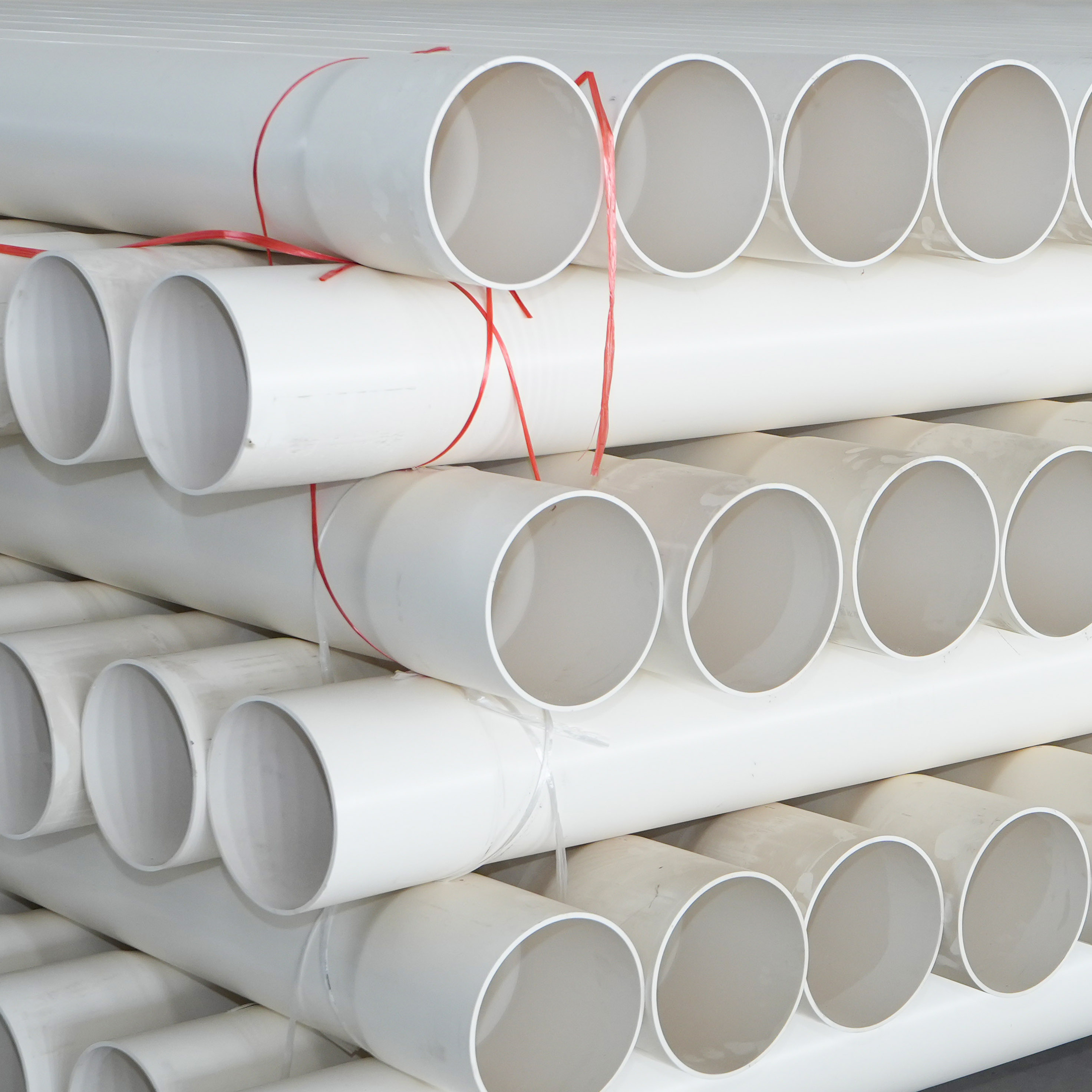
Temperature tolerance is a key factor in plumbing material selection. ABS Pipe performs well in drainage systems where water temperatures fluctuate briefly but rarely stay high for long periods. In contrast, hot water supply systems require materials designed for sustained thermal exposure. The comparison below outlines temperature performance, technical properties, and typical applications for ABS and alternative piping materials used in hot water environments.
| Pipe Material | Typical Application | Continuous Service Temperature | Maximum Short-Term Temperature | Heat Deflection Temperature (HDT) | Pressure Rating Example* | Thermal Expansion Coefficient | Key Installation Considerations | Standards / References |
|---|---|---|---|---|---|---|---|---|
| ABS Pipe | Drain, waste, vent (DWV) systems | ~60 °C (140 °F) typical service range in drainage environments | ~82 °C (180 °F) short-term wastewater exposure | ~96 °C (205 °F) at 0.455 MPa | Not pressure-rated for hot potable water systems | ~7 × 10⁻⁵ /°C | Avoid prolonged high-temperature fluids; primarily gravity drainage | ASTM D2661 (ABS DWV pipe standard) |
| CPVC Pipe | Residential hot and cold water supply | ~93 °C (200 °F) | ~100 °C (212 °F) | ~100–110 °C depending on formulation | Example: Schedule 40 CPVC ~400 psi at 23 °C | ~6.1 × 10⁻⁵ /°C | Suitable for pressurized hot water systems | ASTM D2846, NSF 61 |
| Copper Pipe (Type L) | Domestic hot water systems | >95 °C typical | >200 °C before structural change | >200 °C | Example: Type L copper ~1,200 psi burst strength depending on diameter | ~1.7 × 10⁻⁵ /°C | Requires soldered or brazed joints | ASTM B88 |
| PEX Pipe | Residential hot and cold supply | ~93 °C (200 °F) | ~110 °C short exposure | ~120 °C | Example: PEX rating 100 psi at 82 °C | ~1.4 × 10⁻⁴ /°C | Flexible routing; requires expansion fittings | ASTM F876 / F877 |
| PVC Pipe | Cold water distribution | ~60 °C (140 °F) maximum | ~70 °C short exposure | ~75–80 °C | Example: Schedule 40 PVC 450 psi at 23 °C (drops sharply with heat) | ~5 × 10⁻⁵ /°C | Not recommended for hot water supply | ASTM D1785 |
Tip:In plumbing design, selecting materials rated for continuous temperatures above 90 °C is critical for hot water systems. Materials like CPVC, PEX, or copper maintain structural stability and pressure ratings under sustained heat, unlike ABS which is optimized for DWV applications.
High ambient temperatures may also influence the structure of ABS Pipe. When installed near boilers, industrial equipment, or heating ducts, pipe walls may gradually soften. Over time, prolonged heat exposure can alter pipe alignment or shape. For large commercial buildings, engineers usually place drainage lines away from constant heat sources.
Temperature-resistant insulation is sometimes added to protect pipes in mechanical rooms. These precautions ensure stable system performance and prevent structural distortion caused by excessive heat.
Cold weather can influence many plumbing materials. ABS Pipe generally performs well in moderate cold conditions, but extremely low temperatures may increase rigidity. When temperatures remain below freezing for extended periods, pipe flexibility may reduce. In rare cases, sudden impact can cause fractures. To reduce these risks, contractors often install pipes below frost lines or inside insulated spaces. Underground placement provides natural temperature stability. In cold climates, proper insulation around exposed piping also helps maintain structural integrity.
The reliability of any plumbing system depends on the strength of its joints. ABS Pipe typically uses solvent cement connections. This bonding method chemically softens the pipe surface and fuses the components together. When applied correctly, the joint becomes nearly as strong as the pipe itself.
However, joint quality depends heavily on installation technique. Incomplete bonding or contaminated surfaces can weaken the connection. Professional plumbers carefully clean and align pipe ends before applying solvent cement to ensure strong seals.
Underground drainage pipes often experience external pressure from soil, building foundations, and traffic loads. ABS Pipe is known for its impact resistance, but improper installation may still create stress points. Uneven soil support or heavy loads directly above the pipe may increase mechanical strain.
Engineers address this by using proper bedding materials such as sand or gravel. These materials distribute pressure evenly around the pipe. With correct installation practices, ABS drainage systems can remain stable for decades.
All plumbing materials change slightly over time. Long service periods, temperature changes, and mechanical stress may gradually influence the structure of ABS Pipe. In older systems, small cracks may appear near joints or high-stress points. These issues usually occur when the original installation lacked adequate support.
Routine inspections help detect early warning signs before leaks develop. Commercial building maintenance teams often include pipe inspection as part of preventive maintenance programs.
Solvent cement bonding is one of the key features that makes ABS Pipe easy to install. Unlike some piping systems that require multiple preparation steps, ABS connections usually involve a single bonding compound. The solvent temporarily softens the pipe surface and fuses the pieces together.
Correct application is essential. Installers must apply the cement evenly and join the pieces quickly before the material begins to set. Proper alignment during this stage ensures leak-free connections.
Even strong materials depend on proper installation. Misaligned joints, poor pipe support, or excessive bending may create stress in ABS Pipe systems. Over time, these conditions may reduce system reliability.
Professional plumbers follow standardized installation guidelines. These include proper spacing of pipe supports, correct solvent cement application, and alignment verification. Following these procedures helps maintain consistent plumbing performance.
Plumbing systems often include multiple pipe materials. During renovation projects, contractors sometimes connect ABS Pipe with PVC or other plastic pipes. However, standard solvent cement cannot always bond these materials directly.
Instead, plumbers use mechanical transition couplings or rubber sleeves with metal clamps. These connectors create secure seals while accommodating material differences. This method ensures reliable connections across mixed plumbing systems.
Plumbing codes differ across countries and even between municipalities. In the United States, ABS Pipe is typically permitted for DWV (drain, waste, and vent) systems under standards such as ASTM D2661 and ASTM D3311, but many jurisdictions prohibit its use in pressurized potable water lines. Some local codes also limit mixing ABS with PVC within the same drainage system unless a mechanical transition coupling is used. Before specifying ABS piping, engineers usually verify requirements in the International Plumbing Code (IPC) or Uniform Plumbing Code (UPC) to ensure compliance and avoid redesign during inspection.
ABS Pipe is classified as a thermoplastic material, which means its mechanical strength decreases when exposed to high temperatures. In fire safety design, this behavior requires additional protective strategies. Building standards often require plastic drainage pipes to pass through fire-rated walls or floor assemblies using approved fire-stop systems that prevent flame and smoke spread. In multi-story buildings, drainage stacks are frequently enclosed in fire-resistant shafts. Some projects also use intumescent collars, which expand during fire exposure and seal openings around the pipe.
ABS Pipe is produced from a polymer blend of acrylonitrile, butadiene, and styrene, creating a rigid and impact-resistant thermoplastic. This composition gives the pipe strong chemical resistance against many common wastewater substances, including diluted acids, salts, and alkaline solutions. However, the presence of additives such as bisphenol-based stabilizers means the material is rarely used in drinking water distribution systems. Instead, its chemical stability makes it more suitable for sewage, venting, and industrial drainage, where resistance to corrosion and wastewater chemicals is essential.
Project cost plays a major role in material selection. In many markets, ABS Pipe costs slightly more than PVC piping but less than metal alternatives such as copper or cast iron. However, installation speed can reduce labor costs, making ABS economically competitive. For large projects, contractors often compare material price, installation time, and expected lifespan before making a decision.
| Pipe Material | Cost Level | Typical Use |
|---|---|---|
| ABS | Moderate | Drain and vent systems |
| PVC | Low | Indoor plumbing |
| Copper | High | Water supply lines |
| Cast Iron | High | Heavy drainage systems |
Long-term reliability of an ABS Pipe system depends on proper installation, support spacing, and routine inspection. In commercial buildings, maintenance teams often inspect drainage piping every 3–5 years to check joint integrity, support brackets, and possible deformation caused by building settlement. ABS resists corrosion and scale buildup, which reduces cleaning frequency compared with metal pipes. However, exposure to sunlight, repeated thermal expansion, or mechanical vibration may gradually affect pipe alignment. Preventive maintenance typically includes verifying hanger spacing, inspecting solvent joints, and ensuring the pipe remains properly supported along horizontal runs.
The cost efficiency of ABS Pipe is strongly influenced by installation conditions and project scale. In large drainage systems, its lightweight structure reduces labor time and transportation costs compared with cast iron piping. ABS pipes can also be cut and solvent-welded quickly, shortening installation cycles in construction projects. However, material selection must align with environmental demands. For example, underground sewage systems benefit from ABS durability, while high-temperature plumbing or exposed outdoor piping may require materials designed for heat or UV resistance. Proper lifecycle evaluation helps balance material cost, installation speed, and long-term performance.
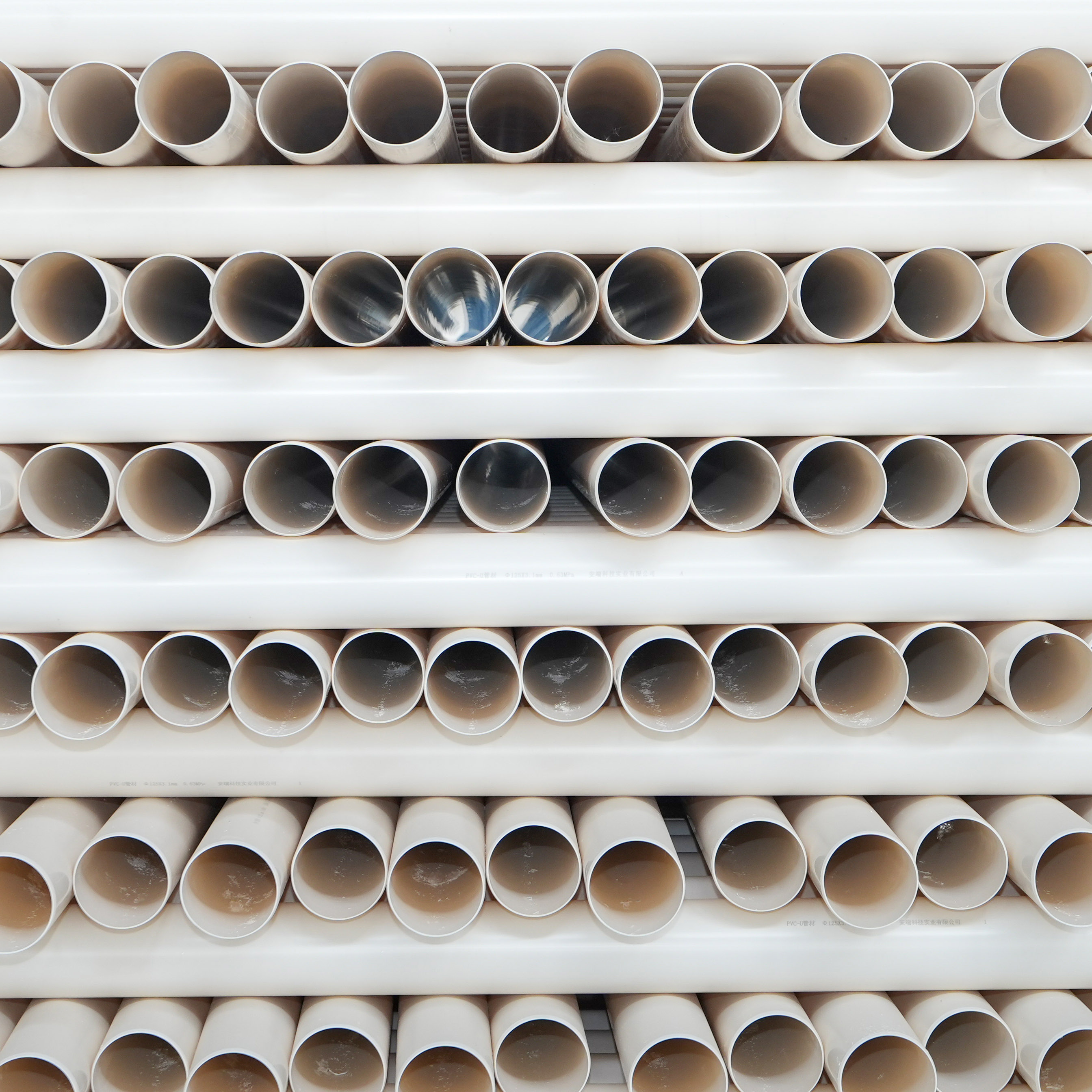
Different plumbing tasks require different materials. While ABS Pipe performs well in drainage systems, certain applications require specialized materials. Hot water distribution often uses CPVC or copper. High-pressure industrial systems may rely on metal piping. Selecting the right material ensures safety and efficiency. Engineers evaluate system pressure, temperature, and environmental exposure before making decisions.
In practical plumbing design, the environment where an ABS Pipe system is installed strongly affects durability and long-term performance. Indoor, underground, and exposed outdoor installations involve different stresses such as UV radiation, soil pressure, and temperature changes. The following structured comparison summarizes common application scenarios, technical parameters, and installation considerations.
| Installation Environment | Typical Applications | Environmental Conditions | Key Technical Parameters | Installation Method | Protection Measures | Design Considerations |
|---|---|---|---|---|---|---|
| Indoor DWV systems | Bathroom drains, kitchen drains, vent stacks | No UV exposure, stable indoor temperature | Operating temperature: 0–60 °C; intermittent wastewater up to ~80 °C | Wall cavity or ceiling mounting with pipe hangers | Usually none required | Maintain DWV slope of 1–2% for gravity drainage |
| Indoor vertical stacks | Building drain stacks and vent stacks | Minimal mechanical stress | Density: ~1.04 g/cm³; impact strength approx. 200–400 J/m | Vertical pipe clamps and wall brackets | Avoid excessive bending stress | Pipe support spacing typically 1.2–1.5 m |
| Underground drainage lines | Sewer laterals, underground wastewater transport | No sunlight, soil pressure present | Typical service life: ~50 years (industry estimate); ring stiffness varies by pipe schedule | Trench installation with bedding layer | Soil backfill support | Minimum burial depth often ≥300 mm |
| Basement drainage | Foundation drainage or sump discharge | High soil moisture, low temperature variation | Resistant to most acids and alkalis in wastewater | Trench installation with sand bedding | Prevent direct rock contact | Bedding layer recommended ≥100 mm sand |
| Outdoor exposed drainage | Exterior wall drain lines, temporary outdoor piping | UV radiation and temperature changes | Thermal expansion coefficient ≈7×10⁻⁵ /°C | Wall-mounted brackets or exposed piping | UV-resistant coating or sleeve | Allow expansion clearance in long runs |
| Roof drainage systems | Roof downspouts and rainwater discharge | Wide seasonal temperature changes | Lightweight structure simplifies vertical routing | Exterior wall mounting | UV protection recommended | Include expansion joints in long vertical runs |
| Industrial outdoor drainage | Light industrial wastewater discharge | Possible chemical exposure | Good resistance to many acids, salts, and alkalis | Underground routing preferred | Protective conduit or coating | Avoid strong organic solvents |
| Temporary construction drainage | Construction site water diversion | Mechanical impact risk | High impact resistance compared with many plastics | Surface routing or temporary trench | Mechanical shielding | Inspect joints frequently during use |
Tip:For outdoor plumbing projects, installing ABS Pipe underground with proper sand bedding and UV protection significantly improves long-term durability and reduces environmental degradation.
Before choosing a piping material, engineers analyze several system factors. These include operating temperature, fluid type, installation environment, and regulatory requirements. ABS Pipe fits many drainage applications but may not meet every project requirement. Careful planning ensures the selected material delivers reliable performance over decades. For builders and facility managers, early evaluation prevents costly retrofits later.
ABS Pipe remains widely used in drainage systems because it is durable, lightweight, and easy to install. However, factors such as sunlight exposure, temperature conditions, installation quality, and local regulations can influence its long-term performance. Understanding these considerations helps engineers and contractors select the most suitable piping material for each project. Hebei Anduan Technology Industry Co., Ltd. provides high-quality ABS Pipe products designed for reliable drainage performance, stable structural strength, and efficient installation, helping customers build cost-effective and long-lasting plumbing systems.
A: ABS Pipe can be sensitive to sunlight, high heat, and installation errors.
A: ABS Pipe softens under sustained heat, so it suits drainage, not hot supply.
A: Outdoor ABS Pipe needs UV protection or underground installation.
A: ABS Pipe often costs slightly more than PVC but installs faster.
A: Properly installed ABS Pipe systems often last about 50 years.


