
Views: 0 Author: Site Editor Publish Time: 2026-06-02 Origin: Site


Black plastic pipes often catch attention under sinks, in basements, or around toilets, leaving homeowners and DIYers unsure whether they can be used for repairs or drainage projects. The term ABS pipe appears frequently on packaging and pipe markings, but its letters alone don’t explain why it behaves differently from PVC or metal. Understanding what ABS stands for, how it performs in drain, waste, and vent systems, and where it is appropriate can help prevent leaks, failed joints, and costly mistakes. Clear guidance on material, fittings, and installation ensures the right choice for each plumbing scenario.
Acrylonitrile Butadiene Styrene is a thermoplastic, which means it can be formed into pipe and fittings under controlled heat during manufacturing. Each part of the name contributes something to the final material. Acrylonitrile supports resistance to many chemicals commonly found in wastewater. Butadiene improves toughness, so the pipe is less brittle during handling than some rigid plastics. Styrene helps the material hold shape, giving it the stiffness needed for straight pipe runs and molded drainage fittings.
That material balance explains why an ABS pipe is often easy to cut, carry, and install compared with metal drainage pipe. A plumber can usually work with it using ordinary cutting tools, provided the cut is square and the edge is cleaned before cementing. The pipe is not soft like flexible tubing, and it is not installed like threaded metal pipe. Its strength comes from the molded plastic body and the solvent-welded joint between pipe and fitting.
The acronym should not be read as a quality grade by itself. Two products may both be ABS, yet differ in wall construction, listing, manufacturer control, and intended use. For plumbing, the relevant question is whether the pipe is marked for the job, usually DWV service, and whether it is accepted by the local authority having jurisdiction. A correctly marked ABS pipe gives more useful information than the material name alone.
Most homeowners recognize ABS pipe by its black color. It is often visible below sinks, behind access panels, in basement joist spaces, or in older residential drain systems. The black appearance is useful as a quick clue, especially when comparing it with the white or light-colored PVC commonly seen in many home centers. Still, color should never be the only identification method.
Pipe markings provide a better answer than appearance. A proper pipe section may show ABS, DWV, nominal size, manufacturer information, and a standard or approval mark. Those markings matter when buying fittings, asking for inspection, or deciding whether an existing line can be extended. Old pipe may be dusty, painted, faded, or partly hidden, so relying on color alone can lead to wrong parts and weak joints.
ABS does not mean the pipe is approved for every plumbing task. The same material family may appear in other products, but plumbing pipe has a specific purpose and rating. A black plastic pipe should not be treated as a potable water line unless it is clearly manufactured and approved for that use, which ordinary ABS pipe for DWV service is not.
The name also does not remove the need to consider temperature, sunlight, pressure, and code. Drainage pipe works differently from supply pipe because it normally carries wastewater by gravity rather than holding continuous internal pressure. Outdoor exposure can raise another concern because sunlight can degrade many plastics over time. For that reason, the acronym is only the first clue; the job conditions decide whether ABS pipe is appropriate.
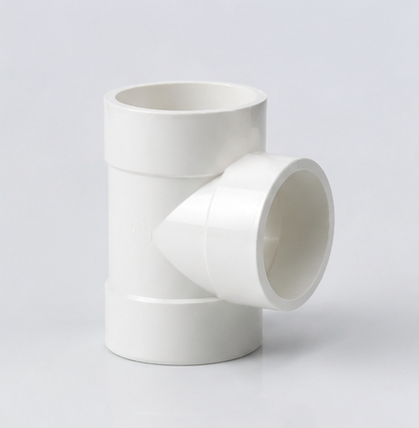
In residential plumbing, ABS pipe is mainly associated with DWV systems: drain, waste, and vent piping. These lines move wastewater from fixtures and allow air to enter or leave the system so traps do not siphon dry. Common locations include sink drains, bathtub and shower drains, toilet waste lines, vent stacks, laundry drains, and basement drainage runs where the material is permitted.
This use pattern matters because many searchers are trying to identify a pipe they already have. A black pipe under a sink is not there to deliver drinking water; it is normally part of the drainage path after water leaves the fixture. A vertical black pipe rising through a wall may be a vent, not a drain carrying heavy wastewater all the time. Recognizing that role helps the reader avoid asking the wrong comparison question.
The material is also popular because drainage systems need light, corrosion-resistant pipe that can be joined quickly. Cast iron still appears in many buildings, especially where sound control or fire-rated assemblies matter, but plastic DWV materials are common in residential work. An ABS pipe can perform well in that role when it is sized, sloped, supported, and joined correctly.
Water supply piping works under a different set of demands. Supply lines may hold pressure all day, carry heated water, and require approval for potable water contact. Materials such as copper, PEX, CPVC, and approved PVC systems are selected according to those requirements and local rules. ABS pipe is not chosen for that job because its common plumbing role is gravity drainage and venting.
This distinction prevents a costly misunderstanding. A pipe that handles wastewater well does not automatically qualify for hot and cold supply lines. Even when a pipe feels strong in the hand, pressure service depends on ratings, standards, fittings, and long-term performance under load. The safest reading of ABS pipe in a home plumbing context is therefore “drainage or vent material unless markings and code clearly say otherwise.”
Good drainage depends on layout as much as material. A drain line needs enough slope to move waste and water, but not so much that liquids outrun solids in some fixture branches. Venting protects trap seals by balancing air pressure in the system. Support keeps horizontal runs from sagging, which can create low spots where water and debris collect.
Fitting direction also matters. A wye, sanitary tee, long sweep elbow, trap adapter, or cleanout is not just a connector with a different shape. Drainage fittings guide flow, preserve access, and help prevent clogs or sewer gas problems. A properly selected ABS pipe system is therefore not simply black pipe glued together; it is a drainage assembly that must respect gravity, air movement, and maintenance access.
Before buying replacement parts, read the markings on the existing pipe if they are visible. Look for the material name, DWV designation, nominal pipe size, manufacturer, and any approval or listing marks. These details help confirm whether the line is ABS, whether it is intended for drainage, and what size parts should fit. A short inspection at this stage can prevent repeated trips to the store and reduce the risk of a failed joint.
Nominal pipe size can also confuse DIY buyers. Plastic pipe dimensions are not always guessed correctly by measuring the outside with a tape and choosing a fitting that “looks close.” Fittings are designed around standard pipe dimensions, and a small mismatch can create poor insertion depth, stress, or leaks. If the markings are missing, taking a clean sample or asking a plumbing supplier may be safer than guessing.
ABS pipe fittings should match both the material and the drainage function. A coupling joins straight sections, but a wye, tee, elbow, trap, or cleanout serves a more specific purpose. In a DWV system, fitting shape affects flow direction, access for cleaning, and how air moves through the piping. Substituting a convenient fitting for the correct one may look acceptable at first, yet create clogging or inspection problems later.
For example, tight bends may slow waste movement or make future snaking difficult. A cleanout placed in the wrong location may be useless when the line blocks. A horizontal drainage connection usually needs fittings designed for smooth directional flow, not just a sharp branch that happens to fit the pipe. The best repair is not the one with the fewest parts; it is the one that restores the drainage path without creating a hidden service problem.
Mixed-material repairs deserve special care because many homes contain both black ABS and white PVC. Connecting the two materials is not always as simple as using whatever cement is on the shelf. Local code may require a listed transition cement for specific situations, or it may require a mechanical transition coupling with the correct shield and clamps. Inspection rules can vary, so the approved method matters more than convenience.
This is where many ABS pipe leaks begin. A joint may feel firm immediately after assembly but still lack the right chemical bond if the cement is not compatible with both materials. A mechanical coupling may also fail if it is the wrong size, poorly aligned, or left unsupported. When a repair crosses from one plastic material to another, the transition method should be treated as part of the design, not an afterthought.
Checkpoint | Why it matters |
Pipe says ABS or DWV | Confirms material and intended use |
Size matches the fitting | Prevents poor fit and leaks |
Cement label matches ABS | Avoids weak joints |
Transition method is approved | Reduces inspection and leak risk |
Pipe has proper slope/support | Prevents slow drains and sagging |
Solvent-cemented plastic joints depend on surface contact, correct material compatibility, and enough working time. Cutting the pipe crooked can leave one side shallow inside the fitting. Burrs, dust, moisture, or old residue may keep the pipe from seating fully. Rushing the joint can also twist the fitting out of alignment or disturb the bond before it sets.
A better process starts with a square cut, a cleaned edge, and a dry fit to confirm depth and orientation. The cement should be labeled for the material being joined, and the pipe should be inserted fully with a slight turn if the product directions call for it. Holding the joint briefly after assembly helps prevent pushback. Cure time should be respected before the line is stressed or used heavily, especially in cooler or damp conditions.
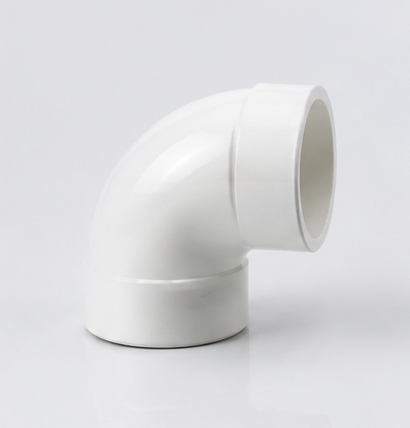
ABS pipe is tough, but it should not be treated as indestructible. Exposed outdoor runs can suffer from ultraviolet exposure unless protected or specifically allowed by code and product guidance. In crawl spaces, garages, or exterior transitions, sunlight, movement, and temperature changes can place extra stress on the material. Discoloration, surface chalking, or cracking may signal that a pipe has been exposed beyond suitable conditions.
Support is just as important as exposure. Long horizontal runs can sag when hangers are too far apart or when fittings carry unsupported weight. Sagging changes the slope of the line and can leave standing water inside the pipe. Over time, that may contribute to slow drains, odor complaints, joint stress, or recurring blockages.
Existing ABS pipe does not automatically prove that new work will pass inspection. A house may contain older ABS because it was accepted when installed, because the work was never inspected, or because local rules have changed. Remodels and repairs often trigger current code requirements, especially when walls are opened or fixtures are relocated. The safest approach is to verify local rules before extending an older system.
This point is especially relevant when selling a home, finishing a basement, or converting a space to rental use. Inspectors may look at material, slope, cleanout access, venting, firestopping, and transitions. A small repair can become expensive if it hides behind drywall and later fails inspection. When there is uncertainty, checking the code office or asking a licensed plumber is cheaper than rebuilding finished work.
Understanding what ABS pipe stands for and how it functions in drain, waste, and vent systems helps ensure proper installation, reliable joints, and long-term performance. Recognizing material markings, selecting compatible fittings, and following correct installation practices reduces the risk of leaks and system failures.
Products from Hebei Anduan Technology Industry Co., Ltd. provide consistent quality ABS piping designed for DWV applications, supporting safer and more efficient plumbing projects. Using well-manufactured ABS pipe can streamline repairs, improve workflow, and give confidence that drainage and vent systems perform as intended.
A: ABS pipe stands for Acrylonitrile Butadiene Styrene, a black thermoplastic used mainly for drainage, waste, and vent systems in residential and commercial plumbing.
A: No, standard ABS pipe is not approved for potable water. It is designed for DWV systems and should only carry wastewater or vent air.
A: ABS pipe uses solvent cement for a chemical weld, creating a rigid, leak-resistant joint, unlike PVC, which often requires primer before cementing.
A: ABS pipe is typically found under sinks, in basements, around toilets, and in vent stacks, forming part of the drainage and venting system.
A: Yes, but it requires an approved transition cement or mechanical coupling to ensure a secure joint that complies with plumbing codes.
A: The black color helps identify ABS for drainage use and distinguishes it from white or light-colored PVC, though markings remain the most reliable identification.


