


Modern plumbing systems demand materials that are durable, lightweight, and easy to install. One widely used solution is the ABS pipe, a thermoplastic pipe commonly found in drain, waste, and vent systems in homes and commercial buildings. Known for its strength, smooth interior surface, and simple solvent-cement installation, it helps move wastewater safely and efficiently. In this article, you will learn what an ABS pipe is, how it is manufactured, where it is used, and why plumbers and engineers often choose it for modern drainage systems.
An ABS pipe is a thermoplastic pipe made from Acrylonitrile Butadiene Styrene. It is known for its rigid structure and deep black color. Builders often use it in drain, waste, and vent systems. The pipe carries wastewater from sinks, toilets, and appliances to sewer lines. Its smooth interior surface supports efficient flow and reduces buildup. Because it is lightweight, installers handle it easily during construction. Many plumbing professionals rely on ABS pipe for reliable drainage performance.
ABS pipe material is built from three polymer components. Each plays a specific role in mechanical strength, chemical resistance, and long-term structural stability. Understanding their functions helps engineers evaluate performance in plumbing systems.
| Component | Chemical Name | Typical Mass Ratio in ABS | Core Function in ABS Pipe | Key Physical Contribution | Relevant Technical Indicators | Application Value in Plumbing | Engineering Notes |
|---|---|---|---|---|---|---|---|
| Acrylonitrile | Acrylonitrile (C₃H₃N) | ~15–35% | Improves chemical resistance and thermal stability | Enhances hardness and solvent resistance | Glass transition temp of ABS: ~95–105 °C | Protects pipe surface from detergents, wastewater chemicals, and cleaning agents | Higher acrylonitrile content increases rigidity and chemical stability |
| Butadiene | 1,3-Butadiene (C₄H₆) | ~5–30% | Provides impact resistance and toughness | Improves elasticity and shock absorption | Impact strength (Izod): ~200–400 J/m depending on grade | Helps ABS pipe resist installation stress, vibration, and minor ground movement | Rubber phase particles distribute stress to prevent brittle fracture |
| Styrene | Styrene (C₈H₈) | ~40–60% | Creates rigidity and smooth surface finish | Improves dimensional stability and appearance | Density of ABS: ~1.04–1.07 g/cm³ | Enables smooth pipe interior that supports efficient wastewater flow | Styrene matrix forms the continuous phase in ABS polymer structure |
| Combined Polymer Matrix | Acrylonitrile-Butadiene-Styrene Copolymer | Composite polymer | Balances strength, rigidity, and toughness | Produces rigid thermoplastic with good machinability | Tensile strength: ~40–50 MPa | Suitable for extrusion into drainage pipes and fittings | Polymer morphology includes rubber domains within a rigid styrene matrix |
| Thermal Performance | Copolymer structure behavior | — | Maintains performance in moderate temperature ranges | Structural stability in cold environments | Operating range: approx. −40 °C to 70 °C | Supports reliable performance in outdoor and underground plumbing | Excess heat exposure can soften thermoplastic materials |
| Chemical Resistance | Polymer chain stability | — | Resists many acids, salts, and alkalis in wastewater | Maintains structural integrity during long service life | Resistant to dilute acids, bases, alcohols, and detergents | Ideal for drain, waste, and vent piping systems | Not intended for high-pressure chemical transport |
Tip:When evaluating ABS pipe quality, engineers often check the Izod impact strength and tensile strength values. These indicators reflect the balance between butadiene toughness and styrene rigidity in the polymer structure.
Manufacturers produce ABS pipe through extrusion. They heat the plastic until it becomes molten. Then machines push the material through circular molds. The process creates long, uniform pipe sections. After cooling, the pipes maintain precise diameter and wall thickness. Factories then cut them into standard lengths. Each pipe undergoes quality checks before shipping. Consistent production ensures reliable plumbing performance. Contractors receive pipes ready for installation on construction sites.
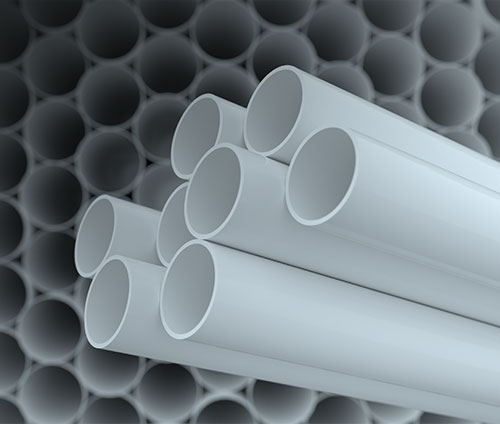
An ABS pipe balances light weight and structural rigidity. Installers can carry long sections without heavy equipment. Yet once installed, the pipe holds its shape under soil pressure and structural loads. That rigidity helps maintain alignment within plumbing systems. It also reduces movement inside walls or underground trenches. Builders value this property because it speeds installation and reduces labor effort. In large construction projects, lightweight materials also improve overall efficiency.
ABS pipe resists physical impact during installation and service life. Plumbing lines often face vibration, ground pressure, and movement. The butadiene component helps absorb shock. This prevents cracking or splitting under stress. The material also resists abrasion from wastewater flow and debris. Over time, the pipe maintains smooth internal surfaces. That keeps drainage efficient and prevents buildup. These qualities make ABS pipe dependable for demanding plumbing environments.
Temperature stability plays an important role in drainage systems. ABS pipe performs well across a wide temperature range. It remains stable in cold environments and maintains structural integrity during winter conditions. The pipe does not easily become brittle. This reliability supports consistent wastewater flow throughout the year. In colder regions, builders often prefer ABS piping because of this performance. The material helps plumbing systems operate smoothly even when outside temperatures drop.
In residential and commercial plumbing, ABS pipe is widely used for DWV systems because it supports efficient gravity drainage. The pipe’s smooth internal surface reduces friction, helping wastewater move quickly through the system. Typical residential DWV pipe diameters range from 1.5 to 4 inches (38–102 mm) depending on fixture demand. Proper pipe slope is critical for performance; plumbing codes often recommend a gradient of 1/4 inch per foot (about 2%) for small diameter drainage lines. This design helps prevent sediment buildup and maintains stable wastewater flow throughout the plumbing network.
ABS pipe works well in underground drainage networks. Builders install it beneath foundations and outdoor soil lines. Its strong walls withstand soil pressure and environmental stress. The pipe maintains structure even when buried deep below ground. Underground sewer lines carry wastewater away from buildings. ABS piping ensures these systems function smoothly for many years. Reliable drainage protects buildings from flooding or plumbing disruption.
Industrial facilities often install ABS pipe in gravity-based wastewater drainage networks. Factories producing food, chemicals, or cleaning agents generate wastewater that may contain detergents or diluted acids. ABS material offers good resistance to many of these substances. Industrial drainage pipes are usually sized between 75 and 250 mm (3–10 inches) depending on discharge volume. Engineers often design these systems with inspection ports and cleanouts to simplify maintenance. This approach supports continuous operation and reduces the risk of blockages in high-volume industrial drainage lines.
ABS pipe installation is efficient because the joining method uses a single-step solvent cement process. Installers apply ABS cement directly to the pipe and fitting, then insert the pipe to create a fused joint. This process often takes only a few seconds for initial bonding. In contrast to multi-step bonding systems, fewer materials and tools are required. The pipe can also be cut easily using standard hand saws or plastic pipe cutters. These factors allow plumbing teams to complete drainage installations faster, especially in large residential construction projects.
ABS pipe maintains stable mechanical performance over long service periods. Its polymer structure provides tensile strength typically around 40–50 MPa, supporting reliable structural integrity in drainage systems. The material also resists corrosion from wastewater, detergents, and common household chemicals. Because ABS has a smooth internal surface, the Manning roughness coefficient is typically around 0.009, allowing consistent wastewater flow and reducing sediment accumulation. These properties help maintain drainage efficiency and reduce maintenance requirements in residential and commercial plumbing networks.
Cost control matters in construction planning. ABS pipe offers an affordable plumbing solution. Its manufacturing process keeps material costs competitive. Because the pipe is lightweight, shipping and handling costs remain low. Installation also requires fewer tools and steps. These advantages reduce total project expenses. For large construction developments, cost savings can become significant. Builders often choose ABS pipe to balance performance and budget.
ABS pipe and PVC pipe can be distinguished quickly during installation. ABS pipe is normally black because carbon black is added during manufacturing to improve UV resistance and material stability. PVC pipes are usually white or gray and use polyvinyl chloride resin as the base polymer. The density of ABS is typically about 1.04–1.07 g/cm³, slightly lower than rigid PVC, which averages 1.35–1.45 g/cm³. These structural differences affect flexibility, rigidity, and handling characteristics in plumbing applications.
Installation methods differ because of the materials’ surface chemistry. ABS pipe uses a solvent cement that chemically softens and fuses the plastic surfaces into a single joint. PVC pipe installation normally requires a primer followed by solvent cement, creating a two-step bonding process. The primer cleans and softens the PVC surface to improve adhesion. In many plumbing codes, installers must also allow a short curing time before running water through the pipe, ensuring a secure and leak-free connection.
Both ABS and PVC pipes are designed for DWV (drain, waste, and vent) systems and provide reliable wastewater transport. ABS pipe generally offers higher impact resistance, which helps prevent cracking during handling or cold-weather installation. PVC, on the other hand, often provides slightly better sound dampening for flowing water inside walls. Engineers select between the two based on building codes, installation conditions, and environmental factors, ensuring the plumbing system maintains proper flow efficiency and long-term reliability.
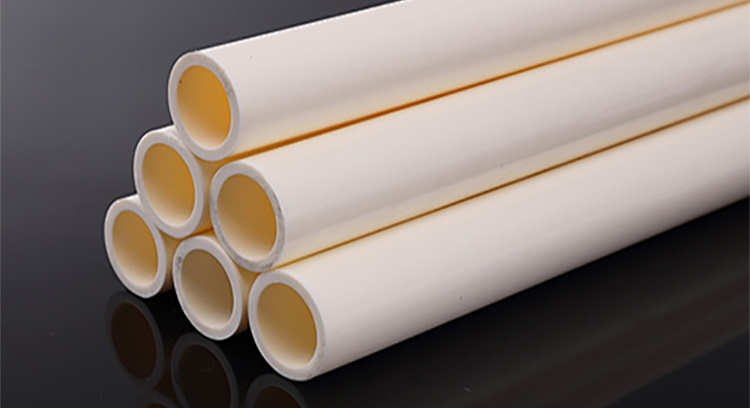
Accurate preparation improves joint quality and system durability. Installers usually cut ABS pipe with a fine-tooth saw or pipe cutter to maintain a square edge. After cutting, the pipe end is chamfered about 15–30° to help it enter fittings smoothly. Burrs must be removed to prevent turbulence and debris buildup inside the pipe. The surface should also be wiped clean to remove dust or grease. Proper alignment and dry-fit testing before cementing help ensure the pipeline maintains correct slope and connection accuracy.
ABS solvent cement creates a chemical weld between the pipe and fitting. Installers first apply cement evenly to the pipe end and the socket interior. The pipe should then be inserted fully with a slight quarter-turn to distribute the solvent evenly. Initial bonding usually occurs within 5–10 seconds, while full curing may take several minutes depending on temperature. During this time, the joint should remain stationary. Proper bonding creates a leak-tight connection capable of supporting long-term drainage system performance.
ABS plumbing systems rely on standardized fittings to control direction and flow. Common components include 90° and 45° elbows, sanitary tees, wyes, couplings, reducers, and cleanout fittings. These parts are manufactured to match standard pipe dimensions such as Schedule DWV sizes. Engineers often select wye fittings instead of sharp tees for horizontal drainage because they improve flow efficiency and reduce clogging risk. Cleanout fittings are placed at strategic points so technicians can access the pipeline for inspection and maintenance when needed.
In residential construction, ABS pipe is commonly used for drain and vent piping behind walls, under floors, and in crawl spaces. Typical household drainage lines range from 1½ to 4 inches (38–102 mm) depending on the plumbing fixture. For example, sink drains often use 1½-inch pipes, while toilet discharge lines usually require 3- or 4-inch pipes. Proper slope is essential for efficient flow; most plumbing standards recommend a minimum gradient of 1/4 inch per foot (2%) for smaller pipes. Cleanouts and vent connections are also integrated into the system to maintain airflow and allow periodic maintenance.
Commercial buildings generate higher wastewater volumes and require larger drainage networks. ABS pipe is frequently installed in vertical soil stacks, branch drains, and building sewer connections. Pipe diameters in commercial systems typically range from 3 to 8 inches (75–200 mm) depending on occupancy load and fixture count. Engineers design these systems using hydraulic calculations to maintain adequate flow velocity and prevent sediment accumulation. Proper venting and strategically placed cleanouts ensure stable pressure balance and simplify maintenance, which is essential in high-usage facilities such as hotels, restaurants, and office complexes.
Municipal drainage and underground utility systems require piping materials that can operate reliably for decades. ABS pipe is often selected for gravity drainage networks because it combines structural strength, smooth internal flow, and resistance to many wastewater chemicals.
| Infrastructure Application | Typical ABS Pipe Standard | Common Diameter Range | Key Technical Indicators | Installation Environment | Engineering Application | Design Considerations | Practical Notes |
|---|---|---|---|---|---|---|---|
| Municipal gravity sewer lines | ASTM D2661 (solid wall ABS DWV pipe) | 75–300 mm (3–12 in) | Density: ~1.04–1.07 g/cm³; Tensile strength: ~40–50 MPa | Underground municipal sewer systems | Transport of residential wastewater to treatment facilities | Designed for gravity flow systems rather than pressure pipelines | Proper bedding and backfill reduce soil stress on pipe walls |
| Stormwater drainage systems | ASTM D2661 / ASTM F628 (foam core ABS DWV) | 100–375 mm (4–15 in) | Smooth interior roughness coefficient ~0.009 (Manning’s n) | Surface runoff drainage networks | Rapid removal of rainwater from streets and buildings | Hydraulic design must ensure adequate slope for flow efficiency | Smooth bore improves flow capacity compared with rough materials |
| Underground building drainage networks | ASTM D2661 DWV | 50–200 mm (2–8 in) | Operating temperature: −40 °C to 70 °C | Building foundation drainage lines | Transfers wastewater from buildings to municipal sewer mains | Pipe slope typically 1–2% depending on diameter | Thermal stability supports performance in cold climates |
| Utility trench drainage conduits | ASTM D2661 | 75–200 mm (3–8 in) | Impact strength (Izod): ~200–400 J/m | Multi-utility underground corridors | Drainage for telecom, power, or utility trenches | Pipe must resist mechanical loads from surrounding soil | Impact resistance helps during installation handling |
| Industrial wastewater drainage | ASTM D2661 chemical-resistant ABS | 75–250 mm (3–10 in) | Chemical resistance: tolerant to dilute acids, alkalis, detergents | Industrial facility drainage networks | Transfers wastewater from factories to treatment systems | Chemical compatibility should be verified during design | Suitable for gravity drainage, not high-pressure systems |
| Sewer vent and gas relief piping | ASTM D2661 DWV | 50–150 mm (2–6 in) | Low friction interior surface; smooth flow characteristics | Sewer gas ventilation lines | Releases sewer gases safely from underground networks | Vent design must comply with building plumbing codes | Smooth walls help maintain airflow efficiency |
Tip:When ABS pipe is used in municipal drainage systems, engineers typically focus on pipe slope and bedding quality. Proper installation often has greater influence on long-term system performance than pipe material alone.
The ABS pipe is a reliable material for modern drainage systems. It offers light weight, strong impact resistance, and smooth internal flow for efficient wastewater transport. Because installation is simple and cost-effective, builders widely use it in residential, commercial, and infrastructure projects. Products from Hebei Anduan Technology Industry Co., Ltd. provide stable quality, consistent dimensions, and dependable performance, helping engineers and contractors build durable plumbing systems that deliver long-term value.
A: An ABS Pipe carries wastewater in drain, waste, and vent systems.
A: Plumbers prefer ABS Pipe for strength and easy installation.
A: ABS Pipe connects using solvent cement bonding.
A: Yes. ABS Pipe supports residential drainage networks.
A: ABS Pipe resists impact and corrosion in plumbing systems.


