
Views: 0 Author: Site Editor Publish Time: 2026-04-17 Origin: Site


Wondering which pipe will truly last longer in your home? In most cases, PVC lasts longer in stable conditions, while ABS pipe can be the smarter choice in colder or higher-impact spaces. In this article, you will learn what affects lifespan most, when ABS makes sense, and when PVC is the safer long-term option.
For most residential drain, waste, and vent applications, PVC is usually the longer-lasting material. In stable conditions, it tends to deliver a longer service life than ABS, which is why it is often treated as the default long-term choice for standard home plumbing. That said, “usually” matters here. Pipe life is never decided by the material name alone; it is shaped by where the pipe is installed, how much sun or cold it faces, and how well the joints were made in the first place.
Material | Typical lifespan range | Best general fit |
PVC | 75–100+ years | Normal residential use, especially where UV exposure or quieter indoor drainage matters |
ABS pipe | 50–70+ years | Colder or higher-impact settings with limited sunlight |
That table does not mean PVC wins every time. ABS pipe can last longer when the environment punishes brittleness more than age alone does. In freezing conditions, ABS keeps its impact strength better, so it is less likely to crack after temperature shocks or hard knocks. It also performs well in protected underground runs where sunlight is not part of the equation. In other words, lifespan is conditional: climate, exposure, and physical stress can flip the advantage from PVC to ABS even when PVC looks better on paper.
Homeowners usually do not care about lifespan as an abstract number. They care about whether the pipe stays intact, quiet, and trouble-free over time. In practice, a longer-lasting pipe is one that resists the most common failure points in the space where it is actually used.
● Cracking risk: Cold snaps and sudden impact matter more than a theoretical lifespan figure.
● UV durability: Sunlight can shorten service life fast, especially for materials that degrade when exposed.
● Joint reliability: A badly bonded connection can fail long before the pipe body does.
● Daily livability: For indoor runs, noise control can matter almost as much as raw durability.
The lifespan gap between ABS pipe and PVC is not decided by a single spec sheet number. In real plumbing systems, longevity changes with environment, stress, and installation quality. A pipe that performs well indoors may age much faster outdoors, and a material that looks weaker on paper may last longer in cold or high-impact conditions. That is why the better question is not simply “Which lasts longer?” but “Which lasts longer where it will actually be used?”
Lifespan factor | Material with the usual edge | Why it matters most |
Sunlight and UV exposure | PVC | Outdoor exposure can accelerate material breakdown |
Freeze-related impact stress | ABS pipe | Cold can make some plastics more crack-prone |
Vibration and physical shock | ABS pipe | Repeated movement can weaken rigid systems over time |
Installation consistency | Depends on workmanship | Bad joints fail long before the pipe body does |
Sun exposure changes the lifespan equation faster than many homeowners expect. Plastic drain piping may perform well for decades in protected spaces, yet deteriorate much sooner when left in direct sunlight. UV radiation gradually attacks the material surface, and once that happens, pipes become more vulnerable to warping, embrittlement, and cracking. In this category, PVC generally holds up better than ABS. It is not immune to weathering, but it is usually the safer choice for runs that may be exposed outdoors or near strong sunlight for long periods. ABS is more vulnerable here, which is why it tends to perform best when buried, enclosed, or otherwise shielded from UV.
Low temperatures shorten pipe life in a different way. The issue is not just freezing water, but the way cold affects the material itself. Some plastics become more brittle as temperatures drop, so a pipe that would survive a minor bump in mild weather may crack under the same impact in winter. This is where ABS often gains an advantage. It keeps its impact resistance better in freezing conditions, making it a stronger candidate in colder climates or in locations where winter stress is a real concern. PVC can still last a long time, but it is more likely to lose toughness when exposed to severe cold.
Not all pipe failures come from age. Some come from movement that repeats over years: slight structural shifting, vibration, accidental knocks during maintenance, or stress near joints and hangers. In these more demanding conditions, ABS is usually the tougher material. Its rigidity and impact strength help it tolerate rougher handling and harsher service environments better than PVC. That makes ABS pipe especially relevant where physical stress matters more than quiet operation or maximum UV tolerance. PVC remains highly durable in normal residential use, but ABS tends to be more forgiving when the system is exposed to repeated shocks or harder use.
Even the right material will fail early if the installation is poor. Longevity depends heavily on clean cuts, aligned joints, proper support, and correct bonding methods. ABS typically uses a simpler cementing process, while PVC usually requires primer plus cement, which adds an extra step but also creates another chance for human error. The most common installation mistakes that shorten pipe life are:
● uneven or poorly deburred pipe ends
● weak bonding from rushed or incorrect solvent application
● unsupported spans that allow sagging or movement
● improper transitions between ABS and PVC
In many real-world failures, the joint gives out before the pipe wall does.
ABS is not the automatic winner in every plumbing job, but there are specific situations where it makes more sense as a long-term material. The key is to look at where the pipe will live and what kind of stress it will face over the years. In the right setting, ABS pipe is not just acceptable; it can be the more durable choice because its strength matters more than PVC’s broader all-around lifespan advantage.
Application | Why ABS pipe can be the better long-term choice |
Cold-region drain systems | Better resistance to cracking under freeze-related impact stress |
Buried or shielded waste lines | Strong performance when UV exposure is not a factor |
Tougher-use installations | Higher impact resistance where movement or knocks are more likely |
ABS tends to make the most sense in places where winter conditions can punish plumbing materials year after year. In freeze-prone areas, the long-term risk is not only frozen water but the combination of low temperatures and sudden impact. A pipe may be bumped during maintenance, stressed by shifting supports, or exposed to sharp temperature swings, and those conditions can shorten service life fast if the material becomes brittle. ABS holds up well in these colder applications because it keeps its toughness better, which can reduce the chance of cracks forming under stress. That makes it a strong option for homes, cabins, utility spaces, and drainage systems in regions where cold weather is not occasional but part of normal operation.
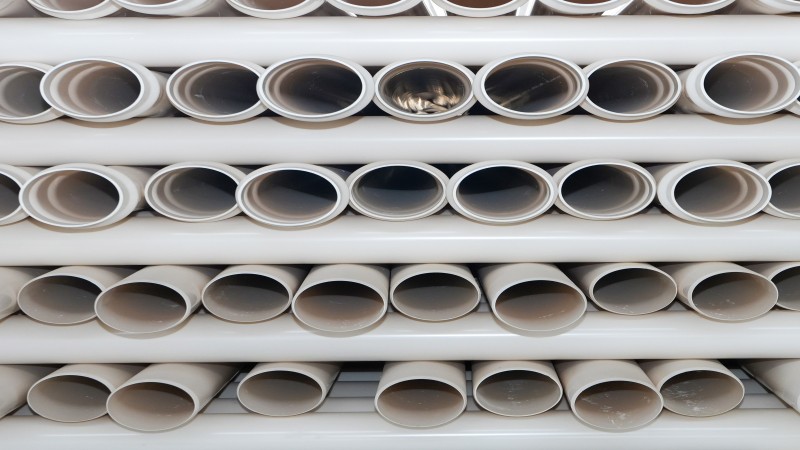
One of the biggest limits of ABS is sunlight, so when that problem is removed, its strengths become more valuable. Underground drain and waste lines are a good example. Buried installations are largely protected from UV exposure, which means ABS can focus on doing what it does well: staying rigid, durable, and chemically resistant in a protected environment. The same logic applies to enclosed chases, crawlspaces, or other shielded runs where outdoor weathering is not the main threat. In these settings, ABS pipe can offer a long service life because the condition that hurts it most—extended sun exposure—is simply not part of the job.
Some installations are harder on pipe than others. Utility areas, rough-in phases, high-traffic service zones, and systems exposed to vibration or accidental contact all place more value on toughness than on noise control. In those cases, ABS can be the smarter long-term pick because it is better suited to take hits and everyday abuse without failing early. That advantage matters most in applications where durability under stress is more important than having the quietest indoor drainage experience. When the pipe is likely to be challenged physically over time, ABS often earns its place by surviving conditions that are simply harsher than average.
PVC is often the safer long-term answer when a project needs broad durability rather than toughness in a narrow set of conditions. While ABS pipe can outperform it in cold or high-impact settings, PVC tends to win more often in standard residential applications because it is better suited to the environments many homeowners actually have: exposed runs, interior drain systems, and code-driven replacement work. That is why readers searching “What lasts longer, ABS or PVC?” usually end up with PVC as the more reliable all-around choice, even if not the perfect one for every installation.
Project condition | Why PVC is often the better long-term choice |
Outdoor or partly exposed runs | Better resistance to sunlight and weather-related degradation |
Interior drainage in living spaces | Quieter water flow for walls, ceilings, and occupied rooms |
Standard residential longevity goals | Longer typical service life under normal conditions |
Code- or supply-driven projects | Often easier to source and more widely accepted |
PVC becomes especially attractive when the pipe will not be fully protected from light and weather. Sun exposure changes the durability equation quickly, and this is one of the clearest situations where PVC has the stronger long-term case. It generally handles ultraviolet exposure better than ABS, which means it is less likely to degrade prematurely when part of the run is outdoors, near a roofline, along an exterior wall, or in another place where shielding is incomplete. That does not make PVC immune to long-term weathering, but it usually gives homeowners a larger margin of safety. In projects where some exposure is unavoidable, choosing PVC is often less about chasing maximum lifespan on paper and more about reducing the risk of early material breakdown in the real world.
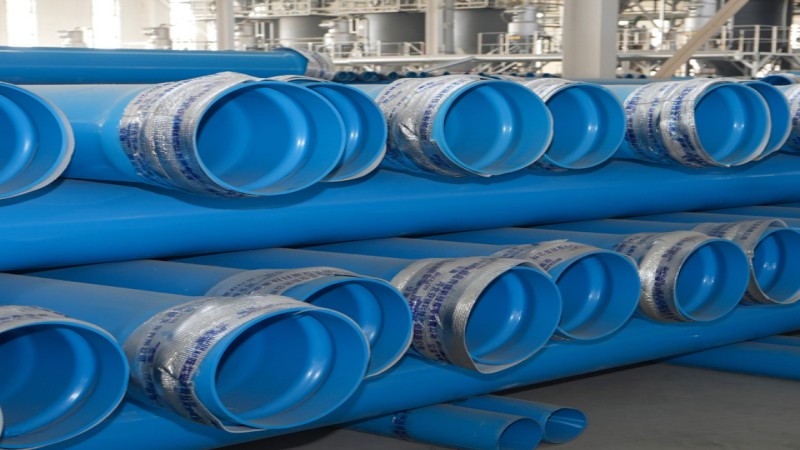
Longevity is not only about whether a pipe cracks. For many homeowners, a long-lasting system is also one that remains livable and unobtrusive over time. PVC is usually quieter in use, which matters more than many people expect once drain lines run behind bathroom walls, across ceilings, or through areas close to bedrooms and living spaces. The difference is practical rather than cosmetic: a noisier system may still function, but it can become an ongoing annoyance in occupied rooms. That is why PVC is often preferred for interior drain, waste, and vent work in finished homes. When people say a material is the “better long-term choice,” they often mean it delivers fewer daily tradeoffs as well as fewer repairs, and quieter drainage fits that definition better than it may seem at first glance.
For readers who are not dealing with unusual cold, repeated impact, or other demanding conditions, PVC is usually the more practical answer to the original question. It often offers the longer typical service life in normal residential settings, which is exactly the scenario most homeowners have in mind when comparing materials. That makes PVC the better fit for buyers who want a dependable, widely used option rather than a material optimized for a narrower advantage. If the goal is to choose once, install correctly, and expect decades of standard performance, PVC aligns well with that decision. It combines durability, broad suitability, and lower day-to-day compromise in a way that matches the most common search intent behind this topic.
A pipe cannot be the best long-term choice if it is difficult to source, not approved locally, or awkward to match with nearby fittings. In practice, material decisions are often shaped by what local codes allow and what contractors or homeowners can actually buy without delay. PVC frequently benefits from wider acceptance and easier availability, which makes long-term planning simpler. Before choosing, it helps to check:
● local plumbing code requirements
● fitting and transition availability
● whether the run is indoors, outdoors, or mixed
● who will install the system and what method they use properly
PVC often lasts longer overall, but ABS pipe can be the better choice in cold, high-impact, or protected underground use. The right pipe depends on the environment and proper installation, not lifespan claims alone. Hebei Anduan Technology Industry Co., Ltd. provides durable piping products built for real-world conditions, helping customers choose reliable solutions that support long service life and practical value.
A: PVC usually lasts longer, but ABS pipe performs better in cold, impact-prone settings.
A: ABS pipe is better for freeze-prone, underground, or higher-impact drain applications.
A: ABS pipe can connect to PVC only with approved transition fittings and code compliance.


