
Views: 0 Author: Site Editor Publish Time: 2026-04-21 Origin: Site


Is ABS pipe safe for drinking water, or just common in plumbing? Many people assume any plastic pipe can carry clean water, but approval matters more than appearance. In this article, you will learn what ABS pipe is used for, why it is often avoided for potable water, and what better options to consider.
The short answer is usually no. In residential plumbing, standard ABS pipe is generally associated with drain, waste, and vent systems rather than lines that deliver water for cooking, drinking, or brushing teeth. That distinction matters because a material can work well in a plumbing system without being the right choice for potable water.
Most black ABS pipe is used in non-potable applications. It is common in drainage systems, where the pipe handles wastewater instead of fresh water meant for human consumption. For that reason, ABS pipe is not usually the normal choice for household drinking water lines.
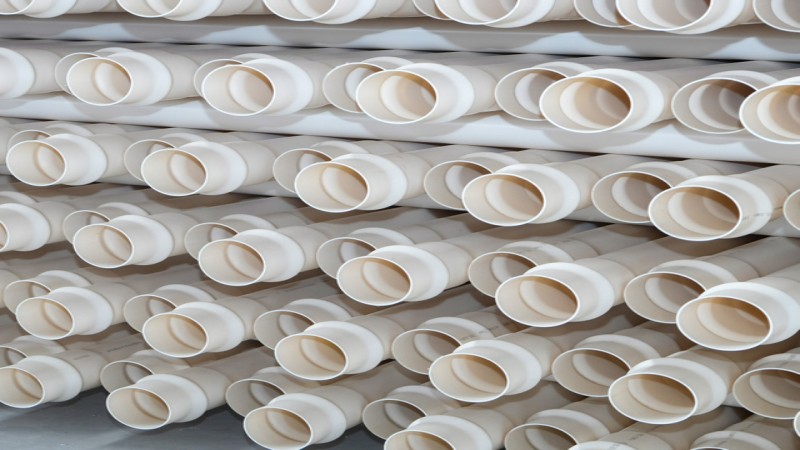
That said, readers should not treat every ABS product as identical. Some ABS items are made with a specific formulation and certification for water or food contact, which places them in a different category from ordinary ABS pipe. The key issue is not the letters “ABS” on the label, but whether the product is explicitly approved for potable use.
Product type | Typical use status |
Standard ABS pipe | Commonly used for DWV and other non-potable plumbing |
Certified ABS product | May be acceptable for drinking-water contact if specifically approved |
When evaluating a product, the safe approach is to separate general-purpose ABS pipe from certified potable-water ABS components and judge them by approval, not appearance.
In real plumbing systems, readers are most likely to encounter ABS pipe in the parts of the network that carry wastewater away from sinks, tubs, toilets, and appliances. It is especially common in drain, waste, and vent setups, where the pipe’s job is to move used water and air through the system rather than deliver clean water for daily consumption.
That difference is important because many people see ABS pipe in walls, ceilings, or utility spaces and assume it must also be suitable for drinking water. In practice, its most familiar role is in DWV systems, not potable water supply lines.
Where ABS pipe is commonly found | What it does there |
Sink and shower drain lines | Carries wastewater away from fixtures |
Toilet waste lines | Moves sewage and waste out of the building |
Vent stacks | Helps balance air pressure in the drainage system |
Underground drain connections | Routes waste flow below grade in non-potable plumbing |
ABS performs well in drainage-related plumbing because it is tough, lightweight, and resistant to corrosion. Unlike metal piping, it does not rust, and it can handle many of the physical and chemical demands that come with waste removal. These strengths make it practical in systems where the main concern is moving wastewater efficiently and reliably.
It is also relatively easy to handle during installation. That matters in both residential and commercial plumbing because contractors often need a material that is durable without being heavy or difficult to cut and join. In drain and vent systems, ABS pipe fits that role well.
The confusion usually comes from what homeowners can see versus what the system is actually designed to do. If a person notices ABS pipe under a sink or behind a wall, it is easy to assume that all plumbing pipe serves the same purpose and that any pipe connected to water must also be suitable for drinking water.
In reality, plumbing materials are approved by function, not by appearance alone. A pipe may work well in one part of the system and still be inappropriate in another. A simple way to think about it is this:
● Plumbing use means the material has a role somewhere in the system.
● Potable approval means it is specifically accepted for drinking water contact.
● Those two categories do not automatically overlap.
The main question is not whether ABS can touch water at all, but whether it is a good material for continuous potable-water contact. That distinction matters because many materials perform well in plumbing without being the best option for water people drink every day. Standard ABS pipe is commonly used in non-potable systems, while drinking-water use requires a higher level of approval and performance.
Long-term exposure raises two practical concerns. The first is chemical migration. General-purpose ABS may contain additives or compounds that are less concerning in drain applications than in a line carrying water for cooking or drinking. The second is predictability. Potable systems are expected to maintain stable water quality over time, so even a small uncertainty becomes more important when the pipe is in constant service.
This is why the issue should be framed around ongoing exposure, not one-time or incidental contact. A material that is harmless in a brief or indirect water-related use is not automatically appropriate for a supply line that carries drinking water every day for years.
Another reason ABS pipe is a poor fit for drinking water is that its behavior becomes less reassuring when it is exposed to heat or UV light. Pipe materials are not judged only by whether they remain intact. They are also judged by whether they stay stable enough to protect water quality over time.
Stress factor | Why it matters in water-related use |
Long-term potable-water contact | Increases the need for certification and stable performance |
High heat | Can warp the material and increase degradation risk |
Direct sunlight / UV exposure | Can make ABS brittle and reduce long-term stability |
Aging and surface wear | Can make the material less reliable in demanding conditions |
Heat is especially important because drinking-water systems often include temperature changes, warm environments, or hot water exposure. ABS has limited heat resistance compared with materials more commonly used in potable systems. At elevated temperatures, it may become less stable, and that makes it a weaker choice for water that people drink or use in food preparation.
Even when the water is not extremely hot, repeated thermal stress can still be a concern. A material that performs acceptably in a cool, buried drain line may not inspire the same confidence in an indoor potable-water system, where long-term safety standards are higher.
Sunlight adds another problem. UV exposure can make ABS brittle over time, reducing flexibility and contributing to degradation. For non-potable drainage, that may be mainly a durability issue. For drinking water, the concern is broader because both structural reliability and water-contact performance matter. A pipe material used in potable service needs to stay stable under real operating conditions, not just survive installation.
Factory-made ABS pipe is already a questionable choice for long-term drinking water unless it is specifically approved, but rougher ABS products create an even bigger problem. The clearest example is 3D-printed ABS.
Many readers asking about ABS and drinking water are not only thinking about plumbing lines. They may also be considering custom fittings, bottle parts, filter accessories, cups, or repair pieces. In those cases, surface condition becomes just as important as the base material itself.
3D-printed ABS is a poor fit for drinking-water use because the surface is usually porous and uneven. That creates hygiene concerns that are different from those associated with factory-finished pipe.
● Layer lines and tiny gaps can hold moisture and residue.
● Rough surfaces are harder to sanitize thoroughly.
● Repeated washing and wear can make the contact surface less predictable.
● Unsealed printed parts are a poor choice for reusable drinking-water contact.
This is why 3D-printed ABS should be treated as a separate risk category. Even if a controlled, certified ABS product may be acceptable in some water-contact uses, printed ABS introduces cleaning and durability problems that make it a much worse option for parts that regularly hold or carry drinking water.
For most modern residential potable-water systems, PEX is often chosen because it is widely used for delivering drinking water in everyday household conditions where standard ABS pipe is generally avoided. Indoor supply lines are more commonly made from materials such as PEX, while ordinary ABS is mainly associated with drain, waste, and vent systems rather than potable delivery.
That makes PEX a practical replacement not because it is simply newer, but because it fits the job more directly. It is commonly used for water intended for drinking, cooking, and bathing in systems designed around potable use. For homeowners and contractors, that matters more than whether a material is merely durable or easy to work with.
Another reason PEX appears so often in residential installations is that decision-makers usually want a material that aligns with common potable-water practice without creating unnecessary uncertainty. When the goal is to build or replace a household supply line, most people are not looking for a material that might work under narrow conditions. They want one that is already widely accepted for the exact purpose.
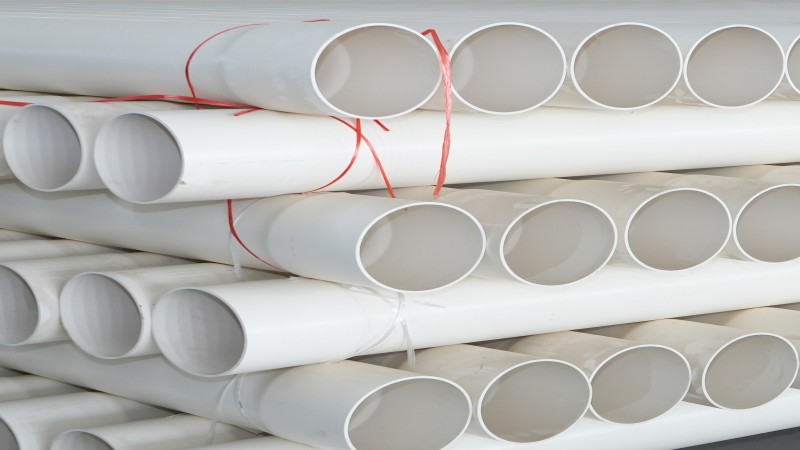
PEX is not the only alternative. Some installations benefit from CPVC or copper, especially when the project demands stronger heat performance, a more traditional material choice, or long-term confidence in a specific installation environment.
Material | Best fit for drinking-water use |
PEX | Everyday residential potable-water lines where flexibility and common approval matter |
CPVC | Installations that need a rigid plastic option with stronger heat tolerance |
Copper | Projects where long-term durability and a traditional potable-water material are priorities |
The best choice depends on what the installation actually requires. If the system includes conditions where temperature resistance matters more, CPVC may be more suitable than a material that becomes less reliable under heat stress. If the project prioritizes durability and a long-established potable-water material, copper may be the better fit.
The key point is not that one material wins in every situation. The key point is that each of these options is more directly associated with potable-water service than ordinary ABS pipe, which is mainly used in non-potable plumbing roles.
A good decision starts with a simple rule: choose pipe that is specifically approved for drinking water, not just pipe that can handle water in some form. That distinction is at the center of this topic. Standard ABS pipe and products specifically rated for potable contact are not the same thing, and local rules may also determine what is acceptable in a real plumbing system.
Before making a final choice, check these points:
● Confirm that the pipe is approved for potable-water use.
● Make sure it matches the expected water temperature.
● Consider whether the installation will face sunlight, heat, or other stress.
● Verify that the material complies with local plumbing code.
That process matters more than choosing the cheapest or easiest pipe. A material may be durable, lightweight, or common in other parts of a plumbing system, but for drinking water, approval and suitability should come first.
Standard ABS pipe is usually not the best choice for drinking water. Potable systems need materials specifically approved for safe water contact. For reliable solutions, Hebei Anduan Technology Industry Co., Ltd. offers pipe products built for safety, durability, and practical performance, helping customers choose better materials for modern water systems.
A: Standard ABS pipe is usually not approved for potable water unless specifically certified.
A: ABS pipe is generally better suited to DWV applications than long-term drinking water service.
A: For potable projects, ABS pipe should be replaced with code-approved materials such as PEX, CPVC, or copper.


